
How to Use Saffron: A Step-by-Step Guide to Unlock Its Color, Flavor, and Aroma
Saffron is one of the world’s most prized spices, known for its golden hue, delicate aroma, and subtle flavor that enhances both sweet and savory dishes. Many first-time users wonder how to use saffron correctly to get the most out of every precious thread. Because saffron is so concentrated, a small amount goes a long way—but preparation is key. Saffron’s active compounds, including crocin, safranal, and picrocrocin, are what give the spice its color, aroma, and health properties. This guide explains how to use saffron step-by-step and introduces simple ways to enjoy it in drinks like saffron tea and in cooking staples such as Saffron Rice. For a full methods-and-ratios walkthrough, see how to cook with saffron.
Step 1: Choose High-Quality Saffron
Always start with pure, high-quality saffron threads, preferably from reputable regions such as Iran’s Khorasan Province. The threads should be deep red and uniform in color, with a strong floral aroma. Avoid powdered saffron blends, as they can be easily adulterated. Premium Negin or Super Negin saffron varieties provide the best color and flavor extraction.
Step 2: Measure the Right Amount
Saffron is incredibly potent, so you only need a small pinch. For most recipes, six to ten threads are enough for one to two servings of food or tea. Using too much can overpower the dish and add bitterness, while using too little may result in a pale flavor and color.
Step 3: Crush or Grind the Threads
Before using, gently crush the saffron threads using a small mortar and pestle. This breaks the outer surface and allows the color and aroma to release more efficiently. If you prefer, you can also crumble the threads between your fingers, but grinding helps produce a more even infusion.
Step 4: Bloom or Soak the Saffron
The most important step in learning how to use saffron is blooming. Place the crushed threads into a small bowl and add two tablespoons of hot (not boiling) water, milk, or broth. Let the saffron soak for ten to fifteen minutes. During this time, it will release its signature golden color and fragrance. This liquid can then be added to your recipes or drinks.
Step 5: Add It to Your Recipe
Once bloomed, add the saffron liquid to your dish near the end of cooking if you want to preserve more aroma, or earlier if you want a stronger color infusion. Saffron pairs beautifully with rice, soups, curries, desserts, and dairy-based recipes. To see a full demonstration of this process in action, visit our detailed recipe for Saffron Rice.
Step 6: Enjoy Saffron Tea for Wellness
One of the simplest and most rewarding ways to experience saffron is to make saffron tea. To prepare it, steep a few threads (about five to eight) in a cup of hot water for ten minutes. Optionally, add honey, lemon, or a pinch of cardamom for a fragrant and relaxing drink. Saffron tea is caffeine-free and rich in antioxidants that support mood, focus, and overall wellness. It can be enjoyed warm in the morning for clarity or in the evening for calm relaxation.
Step 7: Store It Properly
To preserve its freshness, keep saffron in an airtight container away from light, heat, and moisture. Store it in a cool, dry place—never in the refrigerator, as condensation can damage its delicate aroma and color. Proper storage can maintain saffron’s potency for more than a year.
Learning how to use saffron properly ensures that you capture all of its natural color, fragrance, and healthful qualities. From luxurious saffron rice to soothing saffron tea, this golden spice adds both beauty and nourishment to your kitchen. Once you master the simple steps of blooming and infusion, saffron becomes one of the most rewarding ingredients to cook and experiment with.
Using saffron mindfully turns everyday cooking into a sensory experience—one that connects aroma, color, and wellness in every drop of golden infusion.
🌸 How to Bloom Saffron: A Detailed Step-by-Step Guide
Blooming (also called steeping or infusing) is the single most important technique for getting the most out of your saffron. Skipping this step is the #1 mistake that leads to pale, flavorless results. Here’s a detailed breakdown of the blooming process:
- Measure your threads: For 2–4 servings, use 6–10 threads of high-quality saffron. For a single cup of tea, 5–8 threads are sufficient.
- Crush gently: Using a marble or ceramic mortar and pestle, grind the threads into a fine powder. Alternatively, place them between two sheets of parchment paper and roll with a glass. Crushing increases the surface area, allowing faster and more complete extraction.
- Choose your liquid: Water is the most common blooming liquid, but warm milk, broth, white wine, or even rosewater can be used depending on your recipe. Each liquid extracts slightly different flavor compounds.
- Heat the liquid: The liquid should be hot but never boiling — around 60–70°C (140–160°F). Boiling water can destroy some of saffron’s delicate aromatic compounds, particularly safranal, which gives saffron its signature fragrance.
- Steep for 10–15 minutes: Add the crushed saffron to the warm liquid and let it sit undisturbed. You’ll see the liquid gradually turn a deep golden yellow. The longer you steep (up to 30 minutes), the more intense the color and flavor.
- Use the entire infusion: Don’t strain out the threads — they continue to release flavor and color. Pour the entire mixture, threads and all, into your recipe.
📏 How Much Saffron to Use in Different Dishes
Getting the quantity right is essential. Too little and you won’t taste anything; too much and your dish becomes bitter and medicinal. Here’s a practical guide:
- Rice (2–4 cups): 8–12 threads, bloomed in 2 tablespoons of warm water
- Stews and soups (4–6 servings): 10–15 threads, bloomed in 3 tablespoons of broth
- Desserts (cakes, puddings, ice cream): 5–8 threads, bloomed in 1 tablespoon of warm milk
- Saffron tea (1 cup): 5–8 threads, steeped directly in the cup
- Saffron latte (1 cup): 6–8 threads, bloomed in warm milk
- Marinades and dressings: 4–6 threads, bloomed in 1 tablespoon of warm water or oil
- Bread and pastries (1 loaf): 8–10 threads, bloomed in 2 tablespoons of warm milk
🍚 Saffron in Rice Dishes: Techniques and Tips
Saffron rice is perhaps the most iconic saffron dish, and mastering it requires understanding a few key techniques:
- Persian tahdig method: Bloom 10–12 threads in 2 tablespoons of warm water. Mix 2 tablespoons of the bloomed saffron with 2 tablespoons of yogurt and 1 cup of parboiled rice. Spread this mixture at the bottom of the pot to create the golden, crispy crust known as tahdig.
- Indian biryani layering: Bloom 8–10 threads in warm milk. Drizzle the saffron milk over the top layer of rice before steaming (dum). This creates beautiful golden strands mixed with white rice.
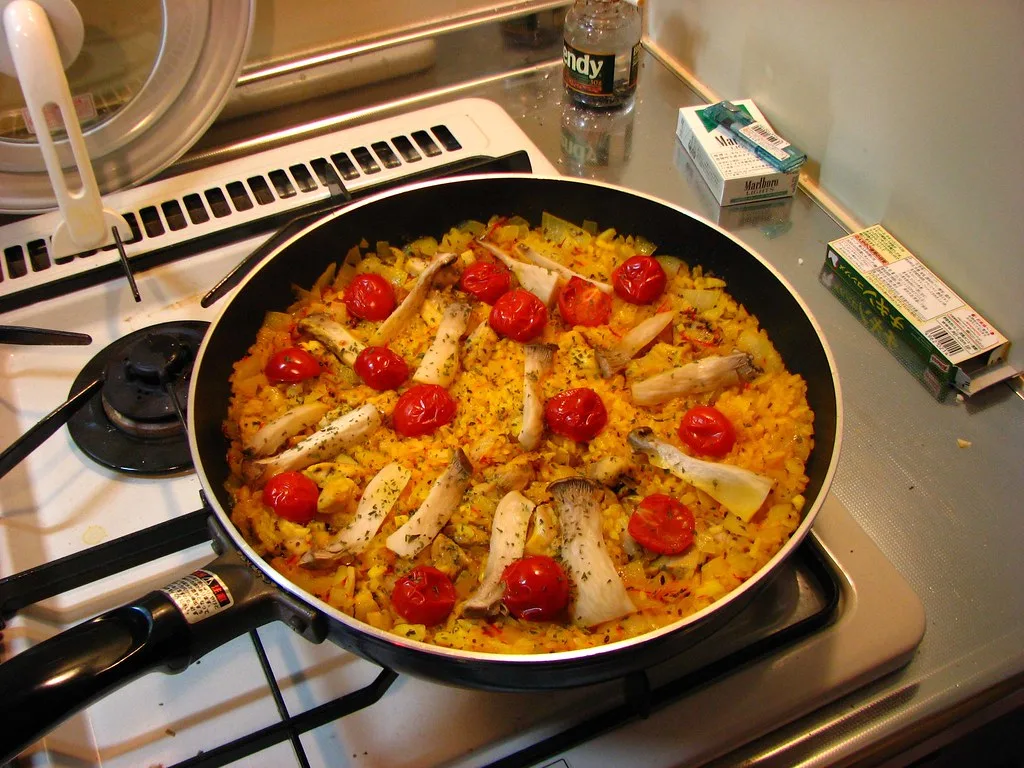
- Spanish paella: Add 8–10 crushed threads directly to the warm broth before adding the rice. The saffron infuses the entire dish as it cooks.
- Pilaf method: Add bloomed saffron liquid to the cooking liquid before adding the rice. This ensures even color and flavor distribution throughout the dish.
For best results, never add dry saffron threads directly to hot rice — always bloom them first. Dry threads on hot food will not release their full color or flavor.
🍰 Saffron in Desserts and Sweets
Saffron pairs exceptionally well with sweet flavors, especially dairy, vanilla, rosewater, and nuts. Here are some popular applications:
- Saffron ice cream (bastani): Bloom 8 threads in 1 tablespoon of warm milk and fold into the ice cream base before churning.
- Saffron rice pudding (sholeh zard): Add bloomed saffron to the rice pudding during the last 15 minutes of cooking for vibrant color and aroma.
- Saffron cookies and cakes: Add bloomed saffron to the wet ingredients (milk or butter mixture) before combining with dry ingredients.
- Saffron honey: Steep 5 threads in a jar of warm honey for 24 hours. Use to drizzle over yogurt, toast, or cheese.
- Saffron baklava: Brush the phyllo layers with saffron-infused butter for a golden, aromatic twist on the classic.
☕ Saffron in Beverages: Tea, Milk, and Lattes
Saffron beverages are one of the easiest and most beneficial ways to enjoy this spice:
- Classic saffron tea: Steep 5–8 threads in a cup of hot (not boiling) water for 10 minutes. Add honey and a pinch of cardamom. Enjoy warm for a calming, caffeine-free drink.
- Saffron milk: Warm 1 cup of milk (dairy or plant-based) with 6–8 threads, 1 teaspoon of honey, and a pinch of turmeric. Simmer gently for 5 minutes. This traditional drink promotes restful sleep.
- Saffron latte: Bloom 6–8 threads in 1 tablespoon of warm water. Froth 8 oz of milk, combine with the saffron infusion, and sweeten with honey or maple syrup. A beautiful golden latte with mood-boosting benefits.
- Saffron iced tea: Brew saffron tea, let it cool, and serve over ice with a slice of lemon and fresh mint. Perfect for summer afternoons.
🍲 Saffron in Savory Dishes: Stews, Marinades, and More
Beyond rice, saffron enhances a wide range of savory dishes:
- Persian stews (khoresh): Add bloomed saffron to slow-cooked meat and vegetable stews for depth and warmth.
- Seafood dishes: Saffron complements fish and shellfish beautifully. Add to bouillabaisse, cioppino, or baked fish marinades.
- Marinades for chicken and lamb: Combine bloomed saffron with yogurt, garlic, and lemon juice for a fragrant marinade.
- Soups and broths: A few threads of saffron added to a clear broth or creamy soup adds color and a subtle floral note.
- Savory sauces: Saffron-infused cream sauces pair well with chicken, pasta, and vegetables.
⚠️ Common Mistakes When Using Saffron
Even experienced cooks make these common saffron mistakes. Avoid them to get the best results:
- Skipping the blooming step: Adding dry threads directly to food wastes much of the saffron’s potential. Always bloom first.
- Using boiling water: Water that’s too hot destroys saffron’s delicate aromatics. Use hot but not boiling water (60–70°C).
- Using too much saffron: More is not better. Excess saffron makes food taste bitter and medicinal. Stick to the recommended amounts.
- Not crushing the threads: Whole threads release color and flavor much more slowly than crushed ones. Take the extra 30 seconds to grind.
- Storing saffron incorrectly: Keeping saffron near the stove or in the refrigerator exposes it to heat and moisture, degrading quality rapidly.
- Buying pre-ground saffron powder: Powder loses its aroma faster and is easier to adulterate. Always buy threads and grind them yourself.
🧴 Storage Tips While Using Saffron Daily
If you use saffron regularly, proper storage ensures every thread delivers maximum flavor:
- Keep saffron in a small, airtight glass jar with a tight-fitting lid.
- Store in a cool, dark cabinet away from the stove, oven, and direct sunlight.
- Use a dedicated small mortar and pestle for saffron to avoid flavor contamination from other spices.
- If you buy saffron in bulk, divide it into smaller portions and keep only a month’s supply in your working container.
- Never store saffron in the refrigerator — temperature fluctuations cause condensation that damages the threads.
- Label your container with the purchase date and use within 12–18 months for best quality.
Can I use saffron without blooming it first?
Technically yes, but you’ll waste much of the saffron’s potential. Dry threads added directly to hot food release only a fraction of their color and flavor. Blooming in warm liquid for 10–15 minutes extracts the maximum amount of crocin (color), safranal (aroma), and picrocrocin (flavor).
How long can I store bloomed saffron?
Bloomed saffron liquid can be stored in the refrigerator for up to 24 hours. After that, the color and aroma begin to degrade. For best results, use bloomed saffron immediately or within a few hours.
Can I reuse saffron threads?
No. Once saffron threads have been bloomed, most of their color, flavor, and aroma compounds have been extracted. Reusing them will yield a very weak infusion. Use fresh threads for each preparation.
Is saffron safe to use every day?
For most adults, using saffron in culinary amounts (5–15 threads per day) is safe and may offer health benefits. However, consuming very large amounts (more than 1.5 grams per day) can cause toxicity. If you’re pregnant, breastfeeding, or taking medications, consult your healthcare provider before regular saffron consumption.
What can I substitute for saffron?
There is no true substitute for saffron’s unique flavor, color, and aroma. Turmeric can provide a similar golden color but has a completely different flavor profile. For recipes where color is the main goal, a small amount of turmeric may work, but the taste will not be the same.