
Global Saffron Market Forecast 2026–2030: Pricing, Supply, Demand & Strategic Outlook
Executive Summary
Saffron—often called red gold—will continue to command premium pricing through 2030. Between 2026 and 2030, the global saffron market is poised for steady, mid-to-high single-digit growth driven by three forces: (1) resilient culinary demand across the Middle East, South Asia, Europe, and North America; (2) rising adoption in wellness, nutraceuticals, and skincare; and (3) expanding direct-to-consumer e-commerce that favors traceable, lab-tested saffron threads over anonymous powders. Price volatility will persist, largely tied to climate variability in core growing regions, water scarcity, and geopolitical risk. Authenticity, certification, and origin transparency will shape brand trust—and therefore margins.
In short: demand rises, supply stays tight, quality becomes more scrutinized, and buyers pay a premium for certified purity. Sellers that invest in transparent sourcing, independent testing, and premium packaging are best placed to win.
Methodology & Assumptions
This forecast synthesizes (a) multi-year structural dynamics that do not change rapidly (agronomy, labor intensity, regional supply shares), and (b) near-term forces likely to influence output and pricing (weather patterns, irrigation constraints, policy, logistics, consumer trends). Rather than pin down a single number, we provide scenario ranges—because saffron is a specialty crop with high sensitivity to local shocks.
Key assumptions that hold across scenarios:
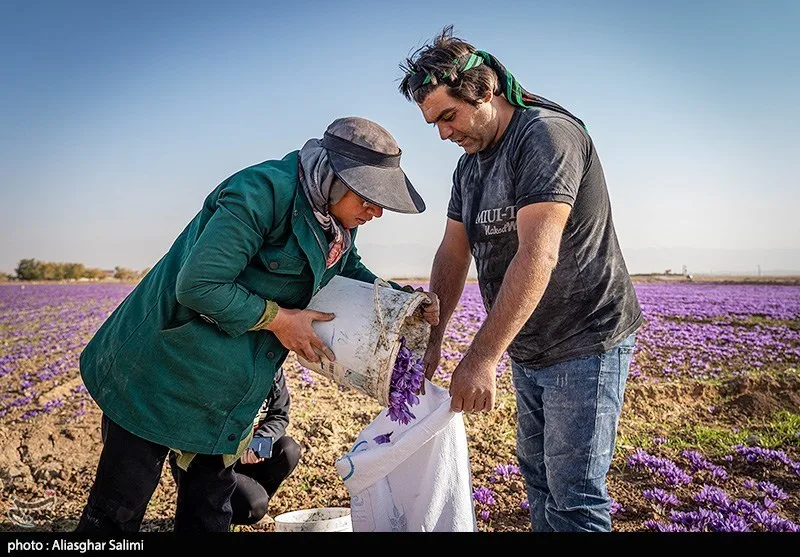
- Labor-intensive harvesting remains the norm. Mechanization gains are marginal; hand-picking dominates.
- Iran remains the anchor of global supply, with continued contributions from India (Kashmir), Spain (La Mancha), Greece (Kozani), Afghanistan, Morocco (Taliouine), and small European/Australasian producers.
- Traceability and lab testing (crocin, safranal, picrocrocin; heavy metals; adulterants) become more visible, not less.
- Powdered saffron continues to face trust issues; threads remain the preferred retail format for premium buyers.
- E-commerce distribution expands, compressing some middlemen margins but rewarding brands with quality signals and consistent fulfillment.
Demand Outlook: 2026–2030
Culinary Core (Stable to Moderately Rising)
The culinary backbone—rice dishes (paella, biryani, risotto, tahdig), stews, desserts, confectionery, teas—is stable and resilient. Diaspora communities sustain usage patterns, while premium restaurants and home cooks experiment with small-format luxury in North America and Europe. Expect gradual volume growth, with consumers willing to pay up for trusted brands.
Wellness & Nutraceuticals (Faster Growing Slice)
Evidence-informed interest in mood, sleep, and skin support is pushing saffron into capsules, drops, gummies, and lattes. This segment tends to buy standardized extracts or micro-dosed blends—but it also drives halo demand for whole threads (for teas/infusions) marketed as “clean-label, single-ingredient.” Expect above-market growth here, albeit from a smaller base.
Beauty & Skincare (Niche, Premium, Brand-Led)
Luxury skincare and boutique formulations increasingly use saffron for antioxidant and brightening positioning. Because input costs are a small fraction of retail price, this segment tolerates very high-grade saffron prices—supporting top-end demand and tightening supply for superfine grades.
Foodservice & Institutional Buyers
Hotels, airlines, and premium catering slowly return to pre-shock usage patterns. As volumes stabilize, procurement teams will prioritize supplier continuity and annual contracts to smooth price swings.
Net effect: Mid-to-high single-digit demand growth through 2030, with premiumization (more spend per gram on verified quality) as a key driver.
Supply Landscape: Where Constraints Meet Opportunity
Iran (Anchor Supplier)
Iran remains the center of gravity. Its strengths: scale, expertise, cost competitiveness for high grades (Negin, Super Negin, Sargol). Its constraints: water availability, climate variability, sanctions/logistics, and currency swings. Even modest weather issues can tighten exportable surplus and elevate prices globally.
India—Kashmir (Scarce, Prestige-Priced)
Kashmiri saffron remains a rarity with prestige pricing. Geographic and climatic constraints limit sudden scale-ups, so scarcity is structural. This origin sustains the luxury tier and helps anchor high reference prices for connoisseur buyers.
Spain & Greece (PDO-Backed Authenticity)
PDO frameworks (La Mancha; Kozani) keep quality high while volumes remain modest. These origins shape culinary storytelling and regional authenticity—supporting premium positioning without flooding supply.
Afghanistan, Morocco & Others (Selective Upside)
Afghan and Moroccan saffron can improve quality and output with agronomy support and stable trade channels. However, infrastructure and policy uncertainties keep their growth incremental rather than explosive.
Supply thesis: Cap on rapid expansion due to agronomy, water, and labor realities. The world doesn’t pivot to abundant saffron overnight—so tightness is endemic, especially for top grades.
Price Outlook: What Buyers Should Expect
Because supply is structurally tight and demand is gradually rising, the baseline trajectory for saffron prices through 2030 is upward-sloping, with year-to-year volatility around that trend — a dynamic rooted in why saffron commands such a premium in the first place. The most premium grades (long, uniform, deep-red, minimal breakage; strong crocin) command the steepest increases as wellness/beauty applications compete with culinary uses.
- Threads vs. Powder: Threads continue to outperform powder on price per gram, both for authenticity and consumer preference.
- Certification Premium: Lab-tested, batch-traceable, and origin-verified products will outprice anonymous offerings and sustain higher margins.
- Retail Pack Sizes: Smaller jars (0.5–2 g) keep saffron psychologically accessible, even if per-gram prices rise; larger culinary packs will still see better unit economics for professional buyers.
Bottom line: Expect premium saffron price inflation outpacing general food inflation under most scenarios, with occasional dips only when weather and logistics align favorably.
Risks & Wild Cards
- Climate & Water: Drought, heat spikes, or poorly timed precipitation in key regions directly hit yields and coloring strength.
- Geo-Trade Dynamics: Sanctions, export paperwork, banking restrictions, and shipping interruptions can thin global availability.
- Currency Volatility: Exchange-rate swings alter producer incentives and export pricing.
- Adulteration & Fraud: Counterfeiting rises when prices spike; market responds by rewarding brands that prove purity.
- Regulatory Shifts: New residue limits or labeling rules could raise compliance costs—but also weed out weak actors, tightening supply of verified lots.
Technology & Process Innovation (Realistic, Not Magical)
- Post-harvest drying controls (temperature, airflow) can lift average quality and reduce losses.
- Better grading & sorting improve consistency—especially for Negin/Super Negin.
- On-farm irrigation efficiency (drip systems, scheduling) mitigates water stress but requires investment.
- Digital traceability (batch IDs, QR codes, certificates) builds buyer trust and supports premium pricing.
None of these eliminate labor intensity—but together they widen the quality gap between professional suppliers and opportunistic middlemen.
Channel Shifts: How Saffron Reaches the Buyer
- Direct-to-Consumer (DTC): Brands that tell a clear story—origin, harvest, lab tests—win on conversion and repeat rate.
- Marketplaces: Still essential for discovery, but differentiation relies on proof of authenticity, not just price.
- Foodservice Procurement: Moves toward annual or semi-annual contracts with quality specs (crocin minima, moisture ceilings), favoring reliable exporters.
- Nutraceutical & Beauty: Long lead times and standardization needs reward stable partners with documented composition and contaminants testing.
Product Mix Trends
- Threads remain king for culinary and premium retail.
- Saffron infusions (tea, latte blends) grow as an approachable entry point.
- Standardized extracts expand in supplements and skincare, but create parallel demand for hero-ingredient storytelling around whole threads.
- Gift formats (glass vials, tins, curated sets) retain high perceived value, especially around holidays.
Scenario Outlooks (2026–2030)
1) Base Case (Most Likely)
- Demand: Mid-to-high single-digit CAGR globally; wellness and skincare outpace culinary growth.
- Supply: Modest gains from process improvements; core origins remain capacity-constrained.
- Price: Gradual upward drift with seasonal spikes; premium grades outpace average.
- Strategy: Emphasize traceability, lab testing, and consistent specs; lock in forward supply for key SKUs.
2) Upside Case (Tight Market)
- Trigger: One or more weak harvests in anchor regions or major logistics disruptions.
- Outcome: Price surges, rationing for premium grades; authenticity concerns intensify.
- Strategy: Diversify origins, increase safety stocks, communicate transparently with buyers, and prioritize loyal accounts.
3) Downside Case (Brief Soft Patch)
- Trigger: Favorable weather + smoother trade + cautious consumer spending.
- Outcome: Mild, temporary price relief; competition intensifies online.
- Strategy: Use price flexibility to expand market share, reinforce quality credentials, and lock in new subscribers before prices revert.
Procurement Playbook for Buyers
- Specify quality in writing: crocin minima, moisture %, thread length/uniformity, foreign-matter limits.
- Buy threads, verify tests: prefer whole threads with recent lab certificates per batch.
- Split sourcing: a primary origin + a secondary for resilience.
- Plan calendars: align purchases with harvest cycles to reduce spot-market exposure.
- Use scalable pack sizes: small retail jars for DTC velocity; larger packs to protect margins in foodservice.
- Store it right: airtight, opaque, cool, dry—protect the investment you just made.
Brand & Marketing Implications
- Education converts: Simple explanations of how to spot pure saffron and how to use it reduce buyer anxiety and push shoppers to threads.
- Proof beats prose: Batch numbers, certificates, and photos of grading/harvest add trust and justify premium saffron prices.
- Positioning matters: Culinary luxury + wellness ritual is a powerful combination; giftability drives Q4 sales.
- Retention levers: Subscriptions for recurring home cooks and latte/tea users; chef programs for consistent B2B offtake.
Year-by-Year Highlights (What to Watch)
- 2026: Inventory normalization post-prior shocks; brands with strong QA/traceability gain share.
- 2027: Wellness and beauty SKUs lift premium-grade demand; modest price firming.
- 2028: Climate variability creates regional tightness; forward contracts become more common.
- 2029: Consolidation among exporters and importers; rising bar on testing and documentation.
- 2030: Premiumization entrenched; threads with verified origin dominate the top tier, while powder remains commoditized.
Conclusion: Tight, Premium, and Proof-Driven
From 2026 to 2030, saffron remains a tight, premium market. Consumers are buying not just a spice, but proven purity, verified origin, and consistent performance. Demand grows steadily; supply expands only by careful inches; and prices drift upwards with punctuating spikes. For buyers, the winning playbook is clear: specify quality, partner long-term, verify with labs, and handle with care. For brands, the path is equally clear: tell the origin story, show the science, and deliver the same experience every time.
If you’re ready to secure premium saffron threads with documented quality, explore our selection at SaffronWell—where every thread is chosen, tested, and packed to honor the world’s most extraordinary spice.