
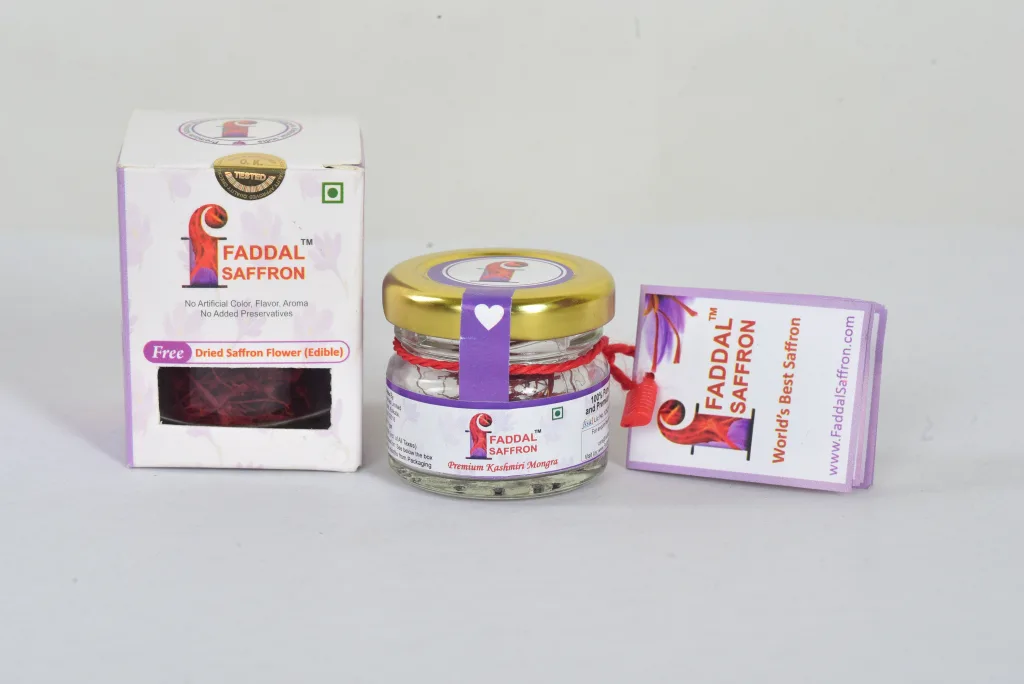
Where to Buy Real Saffron Online (2025 Guide)
Finding pure, authentic saffron online can be tricky. Many “bargain” listings are actually colored corn silk or turmeric strands. In this guide, you’ll learn where to buy real saffron threads safely, how to spot fakes, and what to look for when choosing a trusted supplier.
🛒 Top 5 Trusted Stores to Buy Saffron Online
These online stores have a strong reputation for selling Super Negin grade, ISO 3632-certified saffron with transparent sourcing and lab tests. Prices updated for 2025.
- MartLoom — Premium Organic Super Negin Threads (Grade A+). Ships globally. Best overall choice.
- Zamour Spices — High-quality Persian saffron, certified ISO 3632. Excellent for cooking and tea.
- The FULLEST — Saffron-based wellness products like saffron latte. Best for mood and focus.
- Golden Saffron USA — Sells Super Negin and Sargol varieties. Strong Amazon reviews, reliable delivery.
- Iran Saffron Store — Direct-from-farm Iranian supplier. Good for bulk buyers.
💡 Tip: Always check that the product description mentions Super Negin or Sargol, as these are the top two thread grades from Iran. Avoid any listing that says “Spanish saffron powder” without ISO or origin proof.
🔍 How to Spot Fake or Low-Quality Saffron
- ✅ Real saffron threads are deep red with slight orange tips.
- ✅ When soaked in hot water, color releases slowly and evenly.
- ❌ Fake saffron dyes the water red instantly.
- ❌ Threads break easily or look uniform yellow.
- ✅ Authentic saffron smells warm, honey-like with earthy tones.
For a full breakdown, see How to Identify Pure Saffron Threads.
💰 Price Ranges (2025)
| Size | Average Price | Best Offer |
|---|---|---|
| 8g | $80–$90 | MartLoom $75 |
| 28g | $250–$280 | MartLoom $240 |
📊 Compare more regional prices in our Full Saffron Price Guide.
🌿 Recommended Product
👉 Explore more: Saffron Price Guide • How to Use Saffron
📋 What to Look for When Buying Saffron Online
Buying saffron online requires more attention than purchasing other spices. Because saffron is the world’s most expensive spice by weight, it attracts adulteration and misleading marketing. Here are the key factors to evaluate before clicking “add to cart”:
Grade and Quality
Saffron is graded based on the part of the stigma used and its coloring strength. The top grades — Super Negin and Negin — consist of long, unbroken red threads with minimal yellow portions. Sargol is another excellent grade made up of pure red stigma tips. Always check the product listing for grade information. If a seller doesn’t mention the grade, that’s a red flag in itself.
Color and Appearance
Authentic saffron threads should be deep red with a slightly lighter orange-red tip. The color should look natural, not artificially bright or uniformly dyed. Threads that appear too uniform in color or have a glossy, coated texture may have been treated with artificial dyes. High-quality saffron threads are also relatively thick and do not crumble easily when handled.
Origin Transparency
Reputable sellers always state where their saffron comes from. The most desirable origins include Iran (Khorasan Province), Kashmir (Pampore region), and Spain (La Mancha). Each origin produces saffron with slightly different characteristics — Iranian saffron tends to have the highest coloring power, Kashmiri saffron is known for its intense aroma, and Spanish saffron offers a balanced, slightly smoky flavor profile. If a seller claims “Mediterranean saffron” without specifying the country, proceed with caution.
Packaging and labeling
Proper saffron packaging protects the threads from light, moisture, and air — all of which degrade quality over time. Look for sellers who use vacuum-sealed or airtight containers with UV-protective packaging. Glass jars with rubber seals or foil-lined pouches are ideal. The label should clearly state the net weight, grade, origin, harvest year, and any certification numbers. Avoid saffron sold in thin plastic bags with no labeling information.
🚩 Red Flags: How to Spot Fake Saffron Sellers
Saffron adulteration is unfortunately common, especially in online marketplaces. Here are the most common warning signs that a seller may be offering fake or low-quality saffron:
- Unrealistically low prices: If the price seems too good to be true, it probably is. Real saffron requires hand-harvesting 150,000 flowers to produce just one kilogram. Anything priced significantly below the market rate is likely counterfeit.
- No grade or origin information: Sellers who avoid mentioning the saffron grade, harvest region, or testing standards often have something to hide.
- “Saffron powder” without certification: Powdered saffron is the easiest form to adulterate with turmeric, paprika, or artificial dyes. Only buy saffron powder from sellers who provide lab test results.
- Poor customer reviews mentioning lack of color or aroma: Read reviews carefully. If multiple buyers mention that the saffron didn’t color their food or had no smell, the product is likely fake or stale.
- No return policy or lab testing: Trusted sellers stand behind their products with satisfaction guarantees and third-party lab reports.
📊 Saffron Grades Explained: Sargol, Negin, and Super Negin
Understanding saffron grades helps you make an informed purchasing decision. Here is a quick breakdown of the main Iranian saffron grades you’ll encounter online:
- Sargol: Meaning “top of the flower,” Sargol consists of only the deep red stigma tips. Threads are short but pure red, offering excellent coloring power and strong aroma. This is the most affordable premium grade.
- Negin: Long, unbroken threads that include the upper stigma with minimal yellow. Negin saffron offers a balance of visual appeal, aroma, and value. Threads are longer and more uniform than Sargol.
- Super Negin: The highest grade available. Super Negin threads are the longest and thickest, carefully hand-selected for maximum purity and potency. This grade has the highest crocin (color) content and is ideal for gourmet cooking, gifting, and export.
🌍 Why Origin Matters: Iran, Kashmir, and Spain
The region where saffron is grown significantly affects its chemical composition, flavor, and appearance:
- Iran: Produces 85–90% of the world’s saffron. Iranian saffron from Khorasan is known for its high crocin content, deep red color, and consistent quality. It offers the best value for money.
- Kashmir, India: Kashmiri saffron is grown in the Pampore Valley and is famous for its darker color, thicker threads, and exceptionally strong aroma. It carries a Geographical Indication (GI) tag for authenticity.
- Spain: Spanish saffron from La Mancha has a Protected Designation of Origin (PDO). It has a milder aroma with a slightly smoky undertone, making it a favorite for paella and Mediterranean cuisine.
🏅 Certifications to Look For
When buying saffron online, third-party certifications provide an extra layer of assurance. Here are the most important ones:
- ISO 3632: The international standard for saffron quality. It categorizes saffron into categories I, II, and III based on coloring strength (crocin), aroma (safranal), and flavor (picrocrocin). Category I is the highest quality.
- Organic Certification (USDA, EU Organic, or equivalent): Confirms that the saffron was grown without synthetic pesticides, herbicides, or fertilizers. This is particularly important for saffron since the threads are consumed directly.
- Protected Designation of Origin (PDO): Applied to saffron from specific regions like La Mancha (Spain) or Krokos Kozanis (Greece), ensuring the saffron was grown, harvested, and processed in that traditional region.
- Lab test reports: Some premium sellers provide batch-specific lab results showing crocin, safranal, and picrocrocin values. This is the gold standard for transparency.
📦 Storage and Shipping Considerations
Once you’ve purchased saffron online, proper storage is essential to preserve its quality. Saffron is sensitive to light, heat, moisture, and oxygen. Here’s how to keep it fresh:
- Store saffron in an airtight glass container away from direct sunlight.
- Keep it in a cool, dry place — not in the refrigerator, where condensation can damage the threads.
- Avoid storing near heat sources like stoves or ovens.
- Properly stored saffron can maintain its potency for up to two years.
When ordering online, check that the seller ships in protective packaging. Vacuum-sealed pouches or amber glass jars are ideal. If your saffron arrives in a simple plastic bag, transfer it immediately to a proper container.
How much does real saffron cost online?
Real saffron typically costs between $8 and $12 per gram for premium grades like Super Negin. Bulk purchases (28g or more) often come at a discounted rate. If you find saffron priced significantly below this range, it may be fake or low quality.
Is it safe to buy saffron on Amazon or eBay?
While some legitimate sellers operate on these platforms, the risk of encountering adulterated saffron is higher. Always check the seller’s reviews, grade information, and whether they provide lab testing or certifications before purchasing.
What is the best grade of saffron to buy?
For most uses, Super Negin offers the best combination of color, aroma, and visual appeal. If you’re looking for everyday cooking saffron at a lower price point, Sargol is an excellent choice with strong coloring power.
How can I test saffron at home to verify authenticity?
Place a few threads in a glass of warm water. Real saffron will slowly release a golden-yellow color over 10–15 minutes, not instantly. The threads themselves should remain red. If the water turns red immediately or the threads lose their color entirely, the saffron may be dyed or fake.
Should I buy saffron threads or powder?
Always prefer saffron threads over powder. Threads are much harder to adulterate and allow you to visually assess quality. If you need powder for a recipe, grind the threads yourself using a mortar and pestle just before use.