
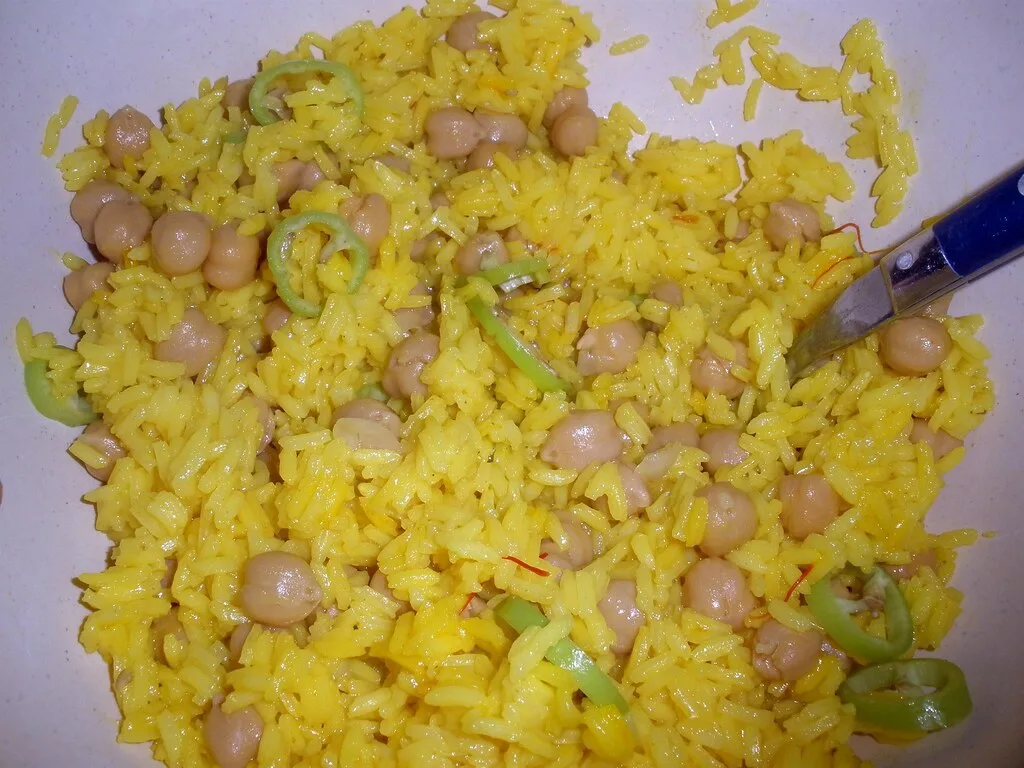
Saffron Rice Recipe: Persian, Spanish & Indian Guide
Saffron is more than just a spice — it’s a flavor, color, and aroma powerhouse. When you start cooking with saffron, even a pinch transforms everyday dishes into memorable meals. In this blog post, we’ll walk through:
- Why saffron is so special
- Tips for cooking with saffron
- A signature saffron rice recipe (plus variations)
- A few bonus saffron-infused dishes to try
Let’s dive in!
🌟 Why Saffron?
- Unrivaled Aroma & Color: Saffron imparts a rich golden hue and floral notes that no other spice can match.
- Flavor Complexity: It adds a subtle earthy sweetness, mild bitterness, and depth — enhancing both savory and sweet recipes.
- Cultural Heritage: From Persia to Spain, saffron has been central in aromatic dishes like paella, biryani, risotto, and more.
- A Little Goes a Long Way: Because saffron is so potent, you only need a few threads (or a small fraction of a teaspoon) to flavor large batches.
🧂 Cooking with Saffron: Tips & Techniques
Before we jump into recipes, here are some best practices:
- Bloom or Soak Saffron First
Grind saffron threads (if whole) into a powder and steep them in a small amount of warm water, broth, or milk for 5–10 minutes. This helps release their full color and fragrance. - Use High-Quality Saffron
Cheap or diluted saffron can lack aroma and taste. Always buy reputable saffron (like Super Negin) for maximum flavor. - Don’t Overdo It
Too much saffron can become bitter. Stick to recommended amounts. - Add at the Right Time
For rice and simmered dishes, add saffron early so its color infuses the whole pot. For delicate dishes (desserts, custards), add near the end to preserve aroma. - Store Properly
Store saffron in an airtight, opaque container away from light and moisture to keep its potency.
🍚 The Classic Saffron Rice Recipe
Here’s a simple, fragrant saffron rice recipe you can feature as your hero dish. It works well as a side or base for proteins.
Ingredients:
- 1 cup basmati or long-grain rice
- 2 cups warm broth (or water)
- ½ teaspoon saffron threads (or a generous pinch)
- 2 tbsp hot water (for blooming saffron)
- 1 tbsp butter or olive oil
- ¼ tsp salt (adjust to taste)
Instructions:
- Rinse the Rice
Wash the rice under cold water until it runs clear to remove starch. - Bloom the Saffron
Grind saffron if whole, then steep in 2 tablespoons of hot water for 5–10 minutes. - Begin Cooking
In a saucepan over medium heat, melt butter (or heat oil). Add the bloomed saffron and liquid, stirring gently. - Add Rice & Liquid
Add the rinsed rice and salt, stir to combine. Pour in the warm broth. Bring to a gentle boil. - Simmer
Reduce heat, cover tightly, and let it simmer on the lowest flame for about 15–20 minutes, until the liquid is absorbed. Allrecipes+2Urban Farm and Kitchen+2 - Steam & Fluff
Remove from heat and keep the lid on for 5–10 minutes to steam. Then gently fluff with a fork. Cooking With Ayeh+1 - Serve & Garnish
Garnish with chopped nuts, herbs, or dried fruit if desired.
Pro Tips & Variations:
- Add saffron-infused butter to the rice after cooking for extra aroma.
- Use chicken or vegetable stock instead of water for richer flavor.
- Try mixing in diced vegetables (peas, carrots) or nuts for texture.
- For a Persian-style twist, check out the Parsi Pulao (saffron rice pilaf) with cardamom, nuts, raisins, and subtle orange zest. Simply Recipes
📏 Saffron Rice Ratios & Timing (Quick Reference Table)
Saffron rice succeeds or fails on two things: the rice-to-water ratio and when you add the saffron. Use this table as your quick reference for every method — Persian, Spanish, and Indian.
| Style / Method | Rice | Liquid | Saffron (per 1 cup rice) | Bloom time | Cook time | Rest/Steam |
|---|---|---|---|---|---|---|
| Simple stovetop (absorption) | 1 cup basmati | 1½–2 cups | 15–20 threads (~⅛ tsp) | 10–15 min | 15–18 min | 5–10 min |
| Persian polow (parboil + steam) | 1 cup basmati | 6–8 cups (parboil) + ¼ cup | 20–30 threads (~¼ tsp) | 15–20 min | 6–8 min boil + 30–45 min steam | 10 min |
| Persian tahdig crust | 1 cup basmati | as above + 2–3 tbsp oil/ghee | extra 1 tbsp bloomed (for crust) | 15–20 min | 30–45 min low steam | 5 min inverted |
| Spanish arroz (paella-style) | 1 cup Bomba/Calasparra | 2½–3 cups stock | 20–25 threads (~¼ tsp) | 10 min in warm stock | 18–20 min, unstirred | 5 min (socarrat forms) |
| Indian biryani-style (layered) | 1 cup basmati (70% cooked) | layered with curry + kewra/saffron milk | 25–30 threads (~¼ tsp) in milk | 20–30 min in warm milk | 20–25 min dum (sealed) | 10 min sealed |
| Rice cooker | 1 cup any long-grain | per cooker line | 15–20 threads | 10–15 min | cook cycle | 10 min keep-warm |
Golden rule: never exceed about ½ teaspoon of threads for a 4–6 serving pot, or the rice turns bitter and medicinal. When in doubt, start with less — you can always drizzle extra saffron butter over the finished rice.
🇮🇷 Persian Saffron Rice (Polow) — The Gold Standard
If you search for a Persian saffron rice recipe, you’ll find one technique at its heart: parboil, drain, then steam. Persian cooks consider this the definitive way to cook rice — every grain comes out separate, fluffy, and long, with saffron bloomed in hot water (never boiled) and poured over the top before the final steam.
Method in brief:
- Wash and soak — Rinse basmati until the water runs clear, then soak in salted water for 30 minutes to 2 hours. Soaking is the secret to grains that elongate rather than break.
- Parboil — Boil in plenty of salted water (like pasta) for 6–8 minutes, until the grain is soft on the outside but still firm at the center. Bite-test one grain.
- Drain and steam — Drain, then return the rice to the pot mounded in a pyramid (a potato or lavash layer at the bottom makes tahdig). Add 2–3 tbsp butter or ghee and ¼ cup water.
- Saffron finish — Bloom 1–2 tbsp crushed saffron in 3–4 tbsp hot (not boiling) water for 15–20 minutes. Mix a few spoonfuls of rice into the saffron liquid and mound it back on top — this is the vivid garnish Iranians call morāsā (jeweled rice).
- Steam 30–45 minutes on low — Wrap the lid in a clean towel, cook on the lowest heat, then let it rest 5–10 minutes off the heat before fluffing.
Want the crunchy golden crust? See our full Persian Tahdig section below — it’s the crown jewel of Persian saffron rice.
🇪🇸 Spanish Saffron Rice (Arroz a la Valenciana)
Spanish saffron rice is a different philosophy: the rice cooks unstirred in a wide, shallow pan, absorbing saffron-infused stock while forming the prized crispy bottom layer called socarrat. Unlike Persian rice, you never rinse Bomba or Calasparra — the surface starch helps bind the dish.
Method in brief:
- Bloom in stock — Crumble 20–25 threads directly into 2½–3 cups warm fish or chicken stock; let sit 10 minutes.
- Sofrito first — In a paella or wide skillet, sauté onion, garlic, and grated tomato in olive oil; add paprika off-heat so it doesn’t scorch.
- Toast, don’t rinse — Add the dry rice and toast 1–2 minutes until the grains look translucent at the edges.
- Pour and spread — Add the saffron stock, spread everything evenly, and from this point do not stir. Simmer 18–20 minutes on medium-low.
- Socarrat — For the last 1–2 minutes, raise the heat briefly until you hear a faint crackle. Rest 5 minutes under a cloth before serving with lemon.
A simpler weeknight option: use the same saffron-stock technique in a regular lidded pot with 1 cup long-grain rice and 2 cups stock — you’ll get 90% of the flavor without the paella pan.
🇮🇳 Indian Saffron Rice (Biryani-Style & Simple Kesar Chawal)
Indian saffron rice comes in two levels of ambition. The everyday version, kesar chawal, is a 20-minute side: bloom saffron in warm milk (not water — milk carries the color deeper into the grain), temper whole spices — cardamom, cloves, cinnamon, bay — in ghee, add rinsed basmati and water, and finish by swirling the saffron milk through the cooked rice for dramatic golden-orange streaks.
The celebratory version is biryani, where saffron rice meets a spiced curry in layers:
- Cook basmati to 70% (about 6 minutes in boiling water) and drain.
- Bloom saffron in 3 tbsp warm milk with a pinch of sugar for 20–30 minutes.
- In a heavy pot, layer partially cooked rice over your curry (chicken, lamb, or vegetables), then drizzle the saffron milk, fried onions, mint, and ghee over the top.
- Seal with dough or foil, and cook on the lowest heat (dum) for 20–25 minutes. Rest 10 minutes sealed, then break the seal at the table.
For more whole-spice inspiration, see Indian-Style Saffron Rice and the Parsi pulao variation in the recipes list below.
🍛 More Saffron Recipes to Try
Here are a few additional ideas to spark creativity:
- Garlic Saffron Rice — Saute onion, garlic, and carrots before adding saffron broth for deeper savory notes. Savoring Today
- Indian-Style Saffron Rice — Use whole spices like cardamom, cloves, and ghee with basmati rice. Masala and Chai
- Parsi Pulao (Saffron Rice Pilaf) — A fragrant, nut-studded rice pilaf combining saffron, citrus zest, and warming spices. Simply Recipes
- Tachin Ba Morgh (Saffron Yogurt Rice Cake with Chicken) — A layered, baked saffron rice dish with yogurt, chicken, and a crunchy bottom crust. Epicurious
- Sweet Saffron Rice Desserts — Explore zarda or sholezard, sweet saffron-infused rice puddings common in South Asia and Iran. Wikipedia+1
🍚 Persian Tahdig: The Crown Jewel of Saffron Rice
If you want to take your saffron rice to the next level, try making tahdig — the golden, crispy bottom crust that Persians consider the best part of the rice. The word literally translates to “bottom of the pot,” and achieving the perfect tahdig is a point of pride in Iranian households.
To make tahdig, parboil basmati rice until it’s about halfway cooked, then drain it. In a heavy-bottomed pot, melt butter or ghee and layer thinly sliced potatoes or flatbread at the bottom. Spoon the parboiled rice on top, mounding it into a pyramid shape. Pour bloomed saffron liquid over the rice, cover the pot with a clean kitchen towel under the lid, and steam on low heat for 30–45 minutes. The result is a fragrant, golden-crusted masterpiece that crackles when you scoop it onto the plate.
The key to great tahdig is patience — cook it too fast and the bottom burns, too slow and you won’t get that signature crunch. A glass lid helps you monitor the color without lifting the cover and releasing steam.
🍗 Saffron Chicken Marinade
Saffron and chicken are a natural pairing. The spice’s floral notes complement the mild flavor of poultry, creating a dish that feels luxurious without being complicated. A simple saffron marinade can transform boneless chicken thighs or a whole roast chicken into something extraordinary.
Ingredients for the marinade:
- Generous pinch of saffron threads, bloomed in 2 tbsp hot water
- ½ cup Greek yogurt
- 2 tbsp olive oil
- 3 cloves garlic, minced
- 1 tsp turmeric
- Juice of half a lemon
- Salt and black pepper to taste
Mix all ingredients together and coat the chicken thoroughly. For best results, marinate for at least 4 hours or overnight in the refrigerator. The yogurt tenderizes the meat while the saffron infuses it with color and aroma. Grill, bake, or pan-sear the chicken until it reaches an internal temperature of 165°F (74°C). Serve with saffron rice and grilled vegetables for a complete meal.
🍦 Saffron Ice Cream (Bastani Sonnati)
Traditional Persian saffron ice cream, known as bastani sonnati, is a luxurious frozen dessert that combines saffron, rose water, and pistachios. It’s one of the most beloved saffron recipes in Iran and has gained popularity worldwide for its unique flavor profile.
To make bastani at home, start by blooming a generous pinch of saffron in 2 tablespoons of warm milk. In a mixing bowl, combine 2 cups of heavy cream, 1 cup of whole milk, ¾ cup of sugar, and the saffron liquid. Add 1 teaspoon of rose water and a pinch of ground cardamom. Churn the mixture in an ice cream maker according to the manufacturer’s instructions. During the last few minutes of churning, fold in ½ cup of finely chopped pistachios. If you don’t have an ice cream maker, pour the mixture into a container and freeze, stirring every 30 minutes to break up ice crystals until it reaches the desired consistency.
The saffron gives the ice cream a beautiful golden color and a flavor that’s simultaneously floral, earthy, and slightly sweet. It pairs wonderfully with warm desserts or can be served on its own as a refreshing summer treat.
🍚 Saffron Milk Dessert (Sholezard)
Sholezard is a traditional Iranian rice pudding infused with saffron, rose water, and cardamom. Unlike Western rice puddings that rely on vanilla or cinnamon, sholezard gets its personality entirely from saffron. It’s often prepared during religious observances and shared with neighbors as an act of generosity.
To make sholezard, rinse 1 cup of short-grain rice and cook it in 6 cups of water until the rice breaks down and becomes creamy. Add ½ cup of sugar, a generous pinch of bloomed saffron, ½ teaspoon of ground cardamom, and 2 tablespoons of butter. Stir continuously to prevent sticking. Once the mixture thickens to a pudding-like consistency, add 1 tablespoon of rose water. Serve warm or chilled, garnished with slivered almonds, pistachios, and a dusting of cinnamon. Some families also add a drizzle of saffron-infused butter on top for extra richness.
🥘 Saffron Seafood Paella
No list of saffron recipes would be complete without paella — the iconic Spanish dish where saffron plays the starring role. Saffron is what gives paella its characteristic golden color and distinctive flavor that no substitute can replicate. In fact, in Spain, using anything other than real saffron is considered inauthentic.
To make a seafood paella, start by blooming a pinch of saffron in warm fish stock. In a wide, shallow paella pan, sauté onions, garlic, and bell peppers in olive oil. Add short-grain rice (such as Bomba or Calasparra) and toast it briefly. Pour in the saffron-infused stock along with paprika and a bay leaf. Arrange shrimp, mussels, and calamari on top of the rice. Cook without stirring — this is crucial for developing the socarrat, the crispy bottom layer that paella enthusiasts prize. Simmer until the rice absorbs the liquid and the seafood is cooked through. Let the paella rest for 5 minutes before serving with lemon wedges.
🤝 Saffron Pairings: What Flavors Complement Saffron
Saffron plays well with a surprising range of ingredients. Understanding these pairings will help you experiment confidently with saffron recipes beyond what’s listed here:
- Rice and grains: Basmati, jasmine, arborio, and couscous all absorb saffron beautifully.
- Dairy: Milk, cream, yogurt, and butter act as carriers that distribute saffron’s flavor evenly.
- Nuts: Pistachios, almonds, and pine nuts add texture and a complementary richness.
- Citrus: Lemon and orange zest brighten saffron’s earthy notes.
- Warm spices: Cardamom, cinnamon, cumin, and paprika create harmonious spice blends with saffron.
- Floral notes: Rose water and orange blossom water enhance saffron’s natural floral character.
- Proteins: Chicken, lamb, seafood, and white fish all pair excellently with saffron.
⚠️ Common Saffron Cooking Mistakes to Avoid
Even experienced cooks make mistakes with saffron. Here are the most common ones to watch out for:
- Using too much: Saffron should enhance, not overpower. Using more than a pinch for most recipes can make the dish bitter and medicinal.
- Not blooming the saffron: Adding dry threads directly to food wastes much of their potential. Always bloom in warm liquid first.
- Using water that’s too hot: Boiling water can destroy some of saffron’s delicate aromatic compounds. Use warm, not boiling, liquid (around 140°F or 60°C).
- Adding saffron too late: For rice and stews, saffron needs time to infuse. Add it early in the cooking process so its flavor penetrates the dish.
- Storing saffron near the stove: Heat and humidity degrade saffron quickly. Keep it in a cool, dark, airtight container.
- Buying pre-ground powder: Pre-ground saffron loses potency faster and is more likely to be adulterated. Buy threads and grind them yourself.
How much saffron should I use per recipe?
For most recipes serving 4–6 people, a generous pinch (about 10–15 threads or ¼ teaspoon of ground saffron) is sufficient. For delicate desserts, use slightly less. For robust savory dishes like paella or biryani, you can use up to ½ teaspoon of threads.
Can I reuse saffron liquid?
Once you’ve bloomed saffron in liquid, the flavor and color have been extracted. The spent threads can be added to the dish along with the liquid — there’s no need to discard them — but don’t expect additional infusions from the same threads.
What’s the best way to grind saffron threads?
Use a small mortar and pestle. Add a pinch of salt or sugar to the threads to create friction and help break them down into a fine powder. Avoid using electric grinders, as the heat can damage the saffron’s volatile oils.
Can I substitute turmeric for saffron?
Turmeric can provide a similar golden color, but the flavor is entirely different. Turmeric is earthy and peppery, while saffron is floral and slightly sweet. If a recipe calls for saffron, there is no true substitute for its flavor.
How long does bloomed saffron last?
Bloomed saffron liquid can be stored in the refrigerator for up to one week in an airtight container. However, for the best flavor and color, use it immediately after blooming.
How much saffron do I need for rice?
Use about 15–20 saffron threads (roughly ⅛ teaspoon) per cup of uncooked rice for everyday saffron rice, and up to ¼–½ teaspoon of threads for a large Persian or biryani-style pot serving 4–6. Always bloom the threads in 2–3 tablespoons of warm water or milk for 10–20 minutes before adding them so the color and flavor fully release.
What is the ratio of saffron rice to water?
For simple stovetop saffron rice with basmati, use 1½ cups of water or broth per 1 cup of rice (up to 2 cups if you like softer rice). Spanish Bomba rice needs more — about 2½–3 cups of liquid per cup. Persian polow is different: you boil the rice in abundant water like pasta, drain, then steam with just ¼ cup added liquid.
What makes Persian saffron rice different?
Persian saffron rice (polow) uses a parboil-and-steam method instead of absorption: the rice is boiled in plenty of salted water until half-cooked, drained, then steamed slowly with butter and bloomed saffron. This produces separate, elongated grains and — if you add a potato or bread layer at the bottom — the crispy golden crust called tahdig, which is considered the best part of the dish.
When should I add saffron to rice?
Add saffron after blooming, never as dry threads. For simple and Spanish-style rice, stir the bloomed saffron liquid into the cooking liquid before the rice goes in. For Persian polow, pour it over the rice just before the final steam. For biryani, drizzle saffron milk between the layers before the sealed dum cooking.
What is the best rice for saffron rice?
Aged basmati is the best all-purpose choice for Indian and Persian saffron rice because its long, dry grains stay separate. For Spanish saffron rice, use Bomba or Calasparra short-grain rice, which absorbs up to three times its volume in saffron stock without breaking. Avoid parboiled (instant) rice — it won’t absorb the saffron infusion properly.
