
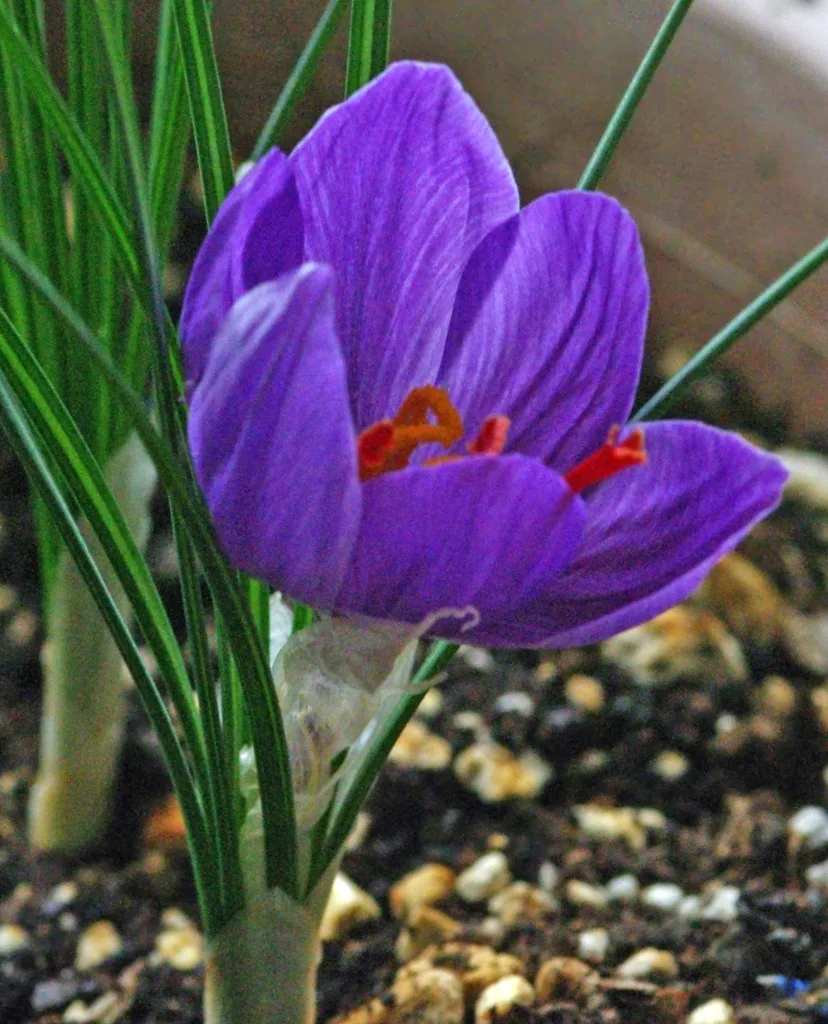
Saffron Side Effects, Interactions & Safety
Saffron has earned its reputation as one of the world’s most valuable spices—not just for its extraordinary flavor and color, but for its impressive range of health benefits. From supporting mood to protecting vision, this golden thread has been used medicinally for thousands of years. But like any potent natural substance, saffron demands respect. Understanding its safety profile, potential side effects, and drug interactions is essential for anyone considering therapeutic use.
The good news is that saffron has an excellent safety record when used appropriately. The key phrase here is “when used appropriately.” At culinary doses, saffron is remarkably safe. At therapeutic doses, it’s generally well-tolerated. But at high doses, saffron can cause serious harm. This guide covers everything you need to know to use saffron safely and confidently.
Is Saffron Safe?
For the vast majority of people, saffron is safe when used at recommended doses. Its safety has been established through centuries of culinary use and confirmed by modern clinical research. Multiple systematic reviews of saffron safety data have concluded that doses up to 30 mg per day are well-tolerated in healthy adults, with side effects that are typically mild and transient.
General Safety Profile
In clinical trials, saffron has been administered to thousands of participants at doses ranging from 15 to 60 mg per day, for periods ranging from two weeks to several months. The rates of adverse events in saffron groups have been consistently low—often comparable to placebo groups and generally lower than the comparison pharmaceutical groups. This favorable safety profile is one of the reasons saffron has attracted so much research interest as a potential alternative or complement to conventional medications.
GRAS Status
Saffron is classified as GRAS (Generally Recognized as Safe) by the U.S. Food and Drug Administration for use as a food additive and flavoring. This designation means that saffron is considered safe by experts based on its long history of common use in food. The GRAS status applies to culinary amounts—typically up to a few hundred milligrams in a recipe serving. Therapeutic doses, while not covered by the GRAS designation specifically, have been extensively studied in clinical settings and found to be safe for most adults.
However, it’s worth noting that dietary supplements are not as strictly regulated as pharmaceuticals in the United States. The quality and purity of saffron supplements can vary between manufacturers, so it’s important to choose products from reputable companies that test for contaminants and provide standardized extracts.
Common Side Effects
Even at recommended doses, some people may experience side effects. These are typically mild and often resolve as the body adjusts to supplementation. Understanding what to expect can help you decide whether what you’re experiencing is normal or warrants a call to your doctor.
Mild Side Effects
The most commonly reported side effects at therapeutic doses (30 mg/day) include:
- Dry mouth: One of the most frequently reported effects. Staying well-hydrated and taking saffron with water or milk can help.
- Dizziness: Usually mild and transient, particularly when first starting supplementation. Often resolves within a few days.
- Nausea: More likely when saffron is taken on an empty stomach. Taking it with food or milk typically eliminates this effect.
- Headache: Typically mild and similar to tension-type headaches. May occur during the first week of use.
- Drowsiness: Saffron’s calming effects can produce mild sedation in some individuals. This may be beneficial for those with anxiety or sleep issues but could affect daytime alertness.
- Appetite changes: Some people experience a slight decrease in appetite, which is why saffron has been studied for weight management.
These side effects are dose-dependent, meaning they’re more likely to occur at higher doses and less likely at the standard 30 mg daily dose. They also tend to be less frequent and less severe than the equivalent side effects of many pharmaceutical antidepressants.
When Side Effects Occur
Side effects are influenced by two main factors:
Dose-dependent response: The likelihood and severity of side effects increase with the dose. At 15 mg/day, side effects are rare. At 30 mg/day, they’re occasional and mild. At 60 mg/day, they become more common. Above 1.5 g/day, toxic effects may occur.
Individual sensitivity: Some people are simply more sensitive to saffron’s effects than others. Factors like body weight, metabolic rate, existing medical conditions, and genetic variations in enzyme activity can all influence how an individual responds. If you’re particularly sensitive to supplements or medications in general, start with a lower dose (15 mg) and increase gradually.
Serious Side Effects (High Doses)
While saffron is safe at therapeutic doses, consuming large amounts can cause serious harm. The gap between a therapeutic dose (30 mg) and a potentially dangerous dose is wide, but it’s important to understand the risks, especially if you’re using concentrated extracts or powders.
Toxicity Symptoms Above 1.5 g
At doses above 1.5 grams (1,500 mg), saffron can produce toxic effects. According to research on saffron toxicity and safety, symptoms of moderate saffron toxicity include:
- Persistent nausea and vomiting
- Abdominal pain and cramping
- Diarrhea, sometimes bloody
- Dizziness and vertigo
- Numbness or tingling in extremities
- Excessive uterine bleeding in women
- Nosebleeds or easy bruising
- Jaundice (yellowing of skin or eyes) indicating liver involvement
- Rapid or irregular heartbeat
Poisoning Symptoms Above 5 g
At doses of 5 grams or more, saffron can cause severe poisoning that may be life-threatening. Symptoms include:
- Severe, uncontrollable vomiting
- Bloody diarrhea
- Significant bleeding from multiple sites
- Central nervous system depression (drowsiness, confusion, loss of consciousness)
- Seizures
- Respiratory depression
- Multi-organ failure
- Coma and potentially death
It’s extremely important to note that reaching these dangerous doses is nearly impossible when using whole saffron threads for culinary or typical therapeutic purposes. Five grams of saffron threads is an enormous amount—roughly 1,500 threads and would cost hundreds of dollars. The real risk lies with concentrated extracts, where a small measuring error could result in a massive overdose. Always follow label instructions carefully when using any saffron supplement.
Drug Interactions
Saffron can interact with several types of medications. If you’re taking any prescription drugs, it’s essential to understand these potential interactions before adding saffron to your routine.
Antidepressants (SSRIs)
This is the most important interaction to be aware of. Saffron appears to influence serotonin levels, and combining it with SSRIs (selective serotonin reuptake inhibitors) or other serotonergic medications could increase the risk of serotonin syndrome. This is a potentially life-threatening condition caused by excessive serotonin accumulation in the body.
Symptoms of serotonin syndrome include:
- Confusion, agitation, and restlessness
- Rapid heart rate and high blood pressure
- Dilated pupils
- Muscle rigidity or twitching
- Heavy sweating
- Shivering
- Diarrhea
- In severe cases, seizures and unconsciousness
If you’re taking any antidepressant medication—including SSRIs (fluoxetine, sertraline, paroxetine, citalopram, escitalopram), SNRIs (venlafaxine, duloxetine), or MAOIs—consult your doctor before using saffron. Do not combine saffron with these medications without medical supervision.
Blood Pressure Medications
Saffron may have mild blood pressure-lowering effects. While this can be beneficial for some people, it may compound the effects of antihypertensive medications, potentially causing blood pressure to drop too low (hypotension). Symptoms of low blood pressure include dizziness, lightheadedness, fainting, and fatigue. If you’re taking blood pressure medication, monitor your readings closely and consult your doctor before using therapeutic doses of saffron.
Blood Thinners
Saffron may have mild anticoagulant (blood-thinning) properties. When combined with prescription blood thinners such as warfarin, clopidogrel, aspirin, or apixaban, this effect could increase the risk of bleeding. Signs of excessive bleeding include easy bruising, prolonged bleeding from minor cuts, nosebleeds, blood in urine or stool, and unusually heavy menstrual periods. If you’re on any blood-thinning medication, speak with your healthcare provider before using saffron therapeutically.
Sedatives
Because saffron has mild sedative and anxiolytic properties, it may enhance the effects of sedative medications, including benzodiazepines (diazepam, lorazepam), sleep medications (zolpidem, eszopiclone), and other central nervous system depressants. This could lead to excessive drowsiness, slowed breathing, or impaired coordination. If you take sedative medications, consult your doctor before using saffron.
Who Should Avoid Saffron?
Certain individuals should avoid therapeutic doses of saffron entirely or use it only under close medical supervision. Here’s who needs to be particularly careful:
Pregnant Women (High Doses)
Culinary amounts of saffron are considered safe during pregnancy, but therapeutic doses (30 mg or more) should be avoided, particularly during the first trimester. Saffron can stimulate uterine contractions, and high doses have been associated with increased risk of miscarriage. Some traditional practices recommend saffron in late pregnancy to help prepare for labor, but this should never be attempted without consulting an obstetrician.
People with Bipolar Disorder
Saffron’s mood-elevating effects, while beneficial for depression, could potentially trigger manic or hypomanic episodes in individuals with bipolar disorder. Any substance that lifts mood carries this risk. If you have bipolar disorder, avoid saffron unless it’s been specifically approved by your psychiatrist as part of your treatment plan.
Those on SSRIs
As discussed in the drug interactions section, combining saffron with SSRIs or other serotonergic medications carries a risk of serotonin syndrome. If you’re currently taking antidepressants, do not add saffron without your doctor’s explicit guidance. Your doctor may be able to help you transition or adjust doses safely, but this requires professional supervision.
People with Allergies to Related Plants
Saffron belongs to the Iridaceae family, which includes irises, gladioli, and crocuses. If you have known allergies to plants in this family—particularly allergy to autumn crocus (Colchicum autumnale)—you may be more likely to experience an allergic reaction to saffron. Symptoms of allergic reaction include skin rash, itching, hives, swelling of the face or throat, and difficulty breathing. If you experience any of these symptoms after taking saffron, discontinue use immediately and seek medical attention.
Safe Usage Guidelines
To minimize risks and maximize benefits, follow these practical safety guidelines when using saffron:
Stick to Culinary Amounts
If you’re not treating a specific condition, culinary amounts of saffron (5–15 mg per serving) provide gentle, safe exposure to its beneficial compounds. Regular inclusion of saffron in your cooking may offer cumulative health benefits without the need for therapeutic dosing.
Consult a Healthcare Provider for Therapeutic Use
If you’re considering saffron for a specific health concern—especially mood, sleep, or eye health—discuss it with your healthcare provider first. They can help you determine the appropriate dose, check for potential drug interactions, and monitor your progress. Be transparent about all supplements and medications you’re taking.
Start Low and Increase Gradually
When beginning saffron supplementation, start with a lower dose (15 mg/day) for the first week to assess your tolerance. If you experience no side effects, you can gradually increase to the standard therapeutic dose of 30 mg/day. This approach allows your body to adjust and makes it easier to identify any sensitivity or adverse reaction.
Signs You Should Stop Taking Saffron
While most people tolerate saffron well, it’s important to recognize when something isn’t right. Stop taking saffron and seek medical attention if you experience any of the following:
- Severe or persistent nausea and vomiting — This could indicate the dose is too high or that you have a sensitivity
- Unusual bleeding or bruising — Saffron may affect blood clotting, and this could be a sign of interaction with other medications
- Significant changes in mood or behavior — If you feel unusually agitated, irritable, or euphoric, particularly if you have a history of bipolar disorder
- Allergic reaction symptoms — Rash, itching, swelling (especially of the face, tongue, or throat), or difficulty breathing
- Signs of serotonin syndrome — Confusion, rapid heartbeat, muscle rigidity, heavy sweating, or fever (particularly if you’re also taking SSRIs)
- Yellowing of skin or eyes — This could indicate liver involvement and requires immediate medical evaluation
- Severe dizziness or fainting — This could indicate a significant drop in blood pressure
For any of these symptoms—especially signs of serotonin syndrome, severe allergic reaction, or liver-related symptoms—seek emergency medical care. Don’t wait to see if symptoms resolve on their own.
Conclusion
Saffron is a remarkable natural substance with a well-established safety record at appropriate doses. For most healthy adults, 30 mg per day is safe, well-tolerated, and associated with only mild, transient side effects that are often less troublesome than those of comparable pharmaceutical options. Its GRAS status and centuries of culinary use further support its safety for the general population.
However, saffron is not without risks. The most important considerations are the potential for serotonin syndrome when combined with antidepressants, the risk to pregnant women at high doses, and the possibility of drug interactions with blood thinners, blood pressure medications, and sedatives. High-dose toxicity, while rare in practice, can be serious.
The key to safe saffron use is simple: respect the dose, know your medications, and listen to your body. Start low, increase gradually, and never hesitate to consult a healthcare provider when in doubt. Used responsibly, saffron can be a safe and effective addition to your wellness routine—offering benefits that modern science continues to validate and that traditional wisdom has recognized for millennia.
Is saffron safe to take daily?
Yes, saffron is safe for daily use at the standard therapeutic dose of 30 mg per day. Clinical trials have safely used daily saffron for periods of 6–8 weeks or longer. If you plan to use saffron long-term, consider taking periodic breaks and consult with a healthcare provider, especially if you have any underlying health conditions.
Can saffron interact with my medications?
Yes, saffron can interact with several types of medications, including SSRIs and other antidepressants (risk of serotonin syndrome), blood pressure medications (additive blood pressure lowering), blood thinners (increased bleeding risk), and sedatives (enhanced sedation). Always consult your doctor before taking saffron if you’re on any prescription medications.
What is a toxic dose of saffron?
Doses above 1.5 grams (1,500 mg) per day can cause toxic effects including vomiting, dizziness, and bleeding. Doses above 5 grams can cause severe poisoning and may be fatal. At the standard therapeutic dose of 30 mg, toxicity is not a concern. Always follow recommended dosages and keep concentrated extracts out of reach of children.
Should I avoid saffron if I’m pregnant?
Culinary amounts of saffron (up to 10–15 mg) are safe during pregnancy. However, therapeutic doses of 30 mg or more should be avoided, especially during the first trimester, as saffron can stimulate uterine contractions. High doses are associated with miscarriage risk. Always consult your obstetrician before using saffron supplements during pregnancy.
What should I do if I experience side effects from saffron?
If you experience mild side effects like dry mouth or slight headache, try reducing your dose or taking saffron with food. If you experience severe symptoms such as persistent vomiting, unusual bleeding, signs of allergic reaction (rash, swelling, difficulty breathing), or symptoms of serotonin syndrome (confusion, rapid heartbeat, muscle rigidity), stop taking saffron immediately and seek medical attention.