
How Much Saffron Should You Take Daily?
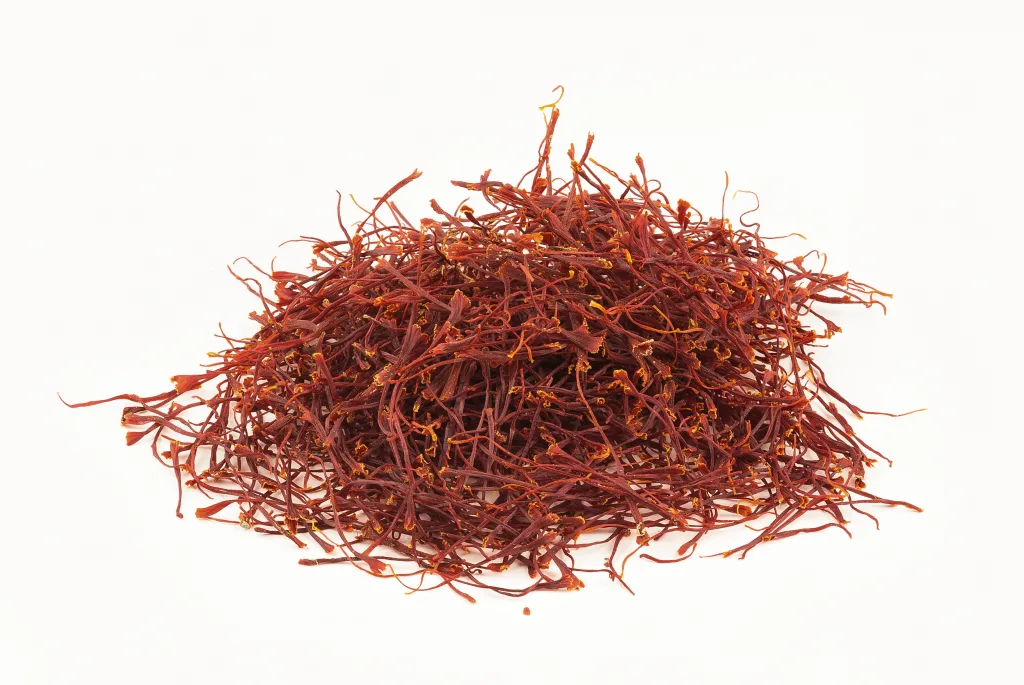
Saffron is one of the most potent natural substances you can keep in your kitchen. Just a few threads of this crimson spice can transform a dish’s flavor, color, and aroma. But when you’re using saffron for its health benefits—whether for mood, sleep, eye health, or weight management—getting the dosage right becomes essential. Too little, and you won’t experience the benefits. Too much, and you could encounter unwanted side effects.
This complete dosage guide covers everything you need to know about how much saffron to take, how to measure it without specialized equipment, and how to adjust your dose based on your specific health goals.
Understanding Saffron Potency
Before diving into specific dosages, it’s important to understand that not all saffron is created equal. The potency of your saffron depends on several factors, and these directly influence how much you need to take to achieve therapeutic effects.
What Determines Saffron Strength?
Several key factors influence the potency of any given batch of saffron:
- Origin: Saffron from different regions varies in potency due to soil, climate, and cultivation methods. Iranian saffron, particularly from the Khorasan province, is widely regarded as among the world’s most potent.
- Harvest timing: Saffron harvested at peak bloom contains higher concentrations of active compounds. Early or late harvests yield lower potency.
- Storage conditions: Saffron loses potency over time, especially when exposed to light, heat, and moisture. Properly stored saffron (in an airtight container away from light) retains potency for up to two years.
- Processing: How the saffron is dried and handled after harvest affects its chemical composition. Traditional sun-drying methods preserve more of the delicate volatile oils than industrial heat-drying.
Grades and Their Potency Differences
Saffron is graded internationally based on its coloring strength (crocin content), aroma (safranal), and flavor (picrocrocin). The grading system uses the ISO 3632 standard, which categorizes saffron into four grades:
- Category I (Sargol/Coupe): The highest grade, containing only the red stigma tips. Highest concentration of crocin and safranal. This is the grade recommended for therapeutic use.
- Category II (Pushal/Mancha): Includes some of the yellow style along with red stigmas. Slightly lower potency but still high quality.
- Category III: More yellow style included, reducing overall potency. Often less expensive.
- Category IV (Bunch/Dastaa): The entire thread including significant yellow portions. Lowest potency grade.
For therapeutic purposes, always seek Category I (Sargol) saffron. The difference in potency between grades can be significant—Category I saffron may contain twice the active compounds of Category III or IV, meaning you’d need to take twice as much lower-grade saffron to achieve the same effect.
Standard Saffron Dosage
Saffron dosage falls into two broad categories: culinary use, which is safe for everyone, and therapeutic use, which requires more careful attention to amount and frequency.
Culinary Use (Safe for Everyone)
In cooking, saffron is typically used in amounts ranging from a pinch (about 5–10 threads) to a generous pinch (20–30 threads) per dish serving. This translates to roughly 5–15 mg per serving. Culinary use is considered safe for all populations, including pregnant women, as the amounts are well within safe limits.
Therapeutic Dose (30 mg/Day)
The standard therapeutic dose of saffron, established through numerous clinical trials, is 30 mg per day. This is the amount that has been consistently shown to produce measurable health benefits for mood, sleep, and other conditions. Most studies divide this into two 15 mg doses taken twice daily.
How to Measure 30 mg of Saffron Threads
If you’re using whole saffron threads rather than a standardized extract, measuring 30 mg requires some care. Here’s a practical guide:
- 10–12 threads ≈ 10 mg
- 15–18 threads ≈ 15 mg
- 30–36 threads ≈ 30 mg
- A small pinch (between thumb and forefinger) ≈ 20–25 mg
For precise dosing, a milligram scale (available inexpensively online) is the best option. Thread count is the next most reliable method, though it varies slightly depending on thread thickness and moisture content.
Dosage by Purpose
Different health goals may call for different dosages. Here’s what the research suggests for each major therapeutic application:
For Mood and Depression
Recommended dose: 30 mg/day (split into two 15 mg doses)
This is the most well-researched application of saffron. Multiple clinical trials have used 30 mg daily with consistent positive results for mild to moderate depression. Effects typically begin within two weeks and reach full benefit by six weeks.
For Sleep
Recommended dose: 15–30 mg/day (taken in the evening)
Studies on saffron for sleep have used doses ranging from 15 to 30 mg daily. Saffron’s calming properties, attributed to safranal’s interaction with the GABA system, may help improve sleep quality and reduce the time it takes to fall asleep. Taking it as warm saffron milk 30–60 minutes before bed is a popular traditional approach.
For Eye Health
Recommended dose: 20 mg/day
Research on saffron for age-related macular degeneration (AMD) has typically used 20 mg daily. Studies suggest this dose can improve retinal function and may help protect against the progression of AMD. The crocin content appears to be the primary protective compound for retinal cells.
For Weight Management
Recommended dose: 30 mg/day
Clinical trials examining saffron’s effect on appetite and weight management have used 30 mg daily. Saffron appears to work by modulating serotonin levels, which can reduce snacking and emotional eating. Studies have shown reductions in body weight and waist circumference over eight-week periods.
For Heart Health
Recommended dose: 30 mg/day
Saffron’s antioxidant and anti-inflammatory properties may benefit cardiovascular health by reducing cholesterol levels and protecting blood vessels from oxidative damage. Studies have used 30 mg daily to demonstrate improvements in lipid profiles and markers of inflammation.
How to Measure Saffron Without a Scale
Not everyone has a milligram scale, but you can still achieve reasonably accurate dosing using these practical methods:
Thread Count Method
Counting individual threads is the most reliable scale-free method. Use the following conversion table as a guide:
| Saffron Threads | Approximate Weight | Typical Use |
|---|---|---|
| 5–6 threads | ~5 mg | Single culinary serving |
| 10–12 threads | ~10 mg | Light therapeutic dose |
| 15–18 threads | ~15 mg | Single therapeutic dose (half daily) |
| 20–24 threads | ~20 mg | Eye health dose |
| 30–36 threads | ~30 mg | Full daily therapeutic dose |
| 50–60 threads | ~50 mg | Higher therapeutic range |
Visual Guide (Pinch and Teaspoon)
For those who prefer visual measurement:
- A small pinch (lightly grasped between thumb and forefinger) ≈ 15–20 mg (about 15–20 threads)
- A generous pinch (slightly more pressure, more threads) ≈ 25–30 mg (about 25–35 threads)
- 1/4 teaspoon of loosely packed threads ≈ 50–70 mg (well above therapeutic dose—use sparingly)
- 1/8 teaspoon of crumbled threads ≈ 30–40 mg
Note: These visual measurements are approximate. Thread thickness, moisture content, and how tightly you pack the measure all affect the actual weight. When precision matters—especially for therapeutic use—invest in a small digital scale that reads in milligrams.
Maximum Safe Dose
While saffron is safe at therapeutic doses, there’s an upper limit you should never exceed without medical supervision.
Upper Limit: 1.5 g/Day
The consensus safe upper limit for saffron is 1.5 grams (1,500 mg) per day. Doses above this may cause adverse effects including nausea, vomiting, dizziness, and bleeding. It’s important to note that 1.5 g is 50 times the standard therapeutic dose of 30 mg—so accidental overconsumption is unlikely when using saffron threads, but it’s a risk with concentrated extracts or powders.
Toxic Dose: Above 5 g/Day
Doses of 5 grams or more can be toxic and potentially fatal. Symptoms of saffron poisoning include severe vomiting, uterine bleeding, bloody diarrhea, dizziness, numbness, and in severe cases, central nervous system depression and organ failure. If you suspect saffron overdose, seek emergency medical care immediately.
Signs of Overconsumption
If you’ve taken more than the recommended dose, watch for these warning signs:
- Nausea or vomiting
- Dizziness or lightheadedness
- Unusual bleeding or bruising
- Yellowing of skin or eyes (jaundice)
- Numbness or tingling
- Confusion or altered mental state
Best Time to Take Saffron
Timing can influence how effectively saffron works and how well you tolerate it. Here’s what to consider:
Morning vs Evening
For mood and depression support, clinical trials typically split the daily dose into two: one in the morning and one in the evening. This maintains steady levels of the active compounds throughout the day. If you’re taking saffron as a single dose, morning is generally preferred for mood support, as saffron’s mild stimulating properties can help with daytime energy and motivation.
For sleep support, take saffron 30–60 minutes before bedtime. Its calming, GABA-modulating effects are best utilized in the evening to promote relaxation and improve sleep quality.
With Food vs Empty Stomach
Saffron is generally better absorbed when consumed with some fat, as several of its key compounds (particularly crocin) are fat-soluble. Taking saffron with warm milk, in food prepared with olive oil or butter, or after a meal containing healthy fats can enhance absorption and reduce the likelihood of gastrointestinal discomfort.
Taking saffron on an empty stomach is not recommended, as it may cause nausea or mild stomach upset in some individuals.
Saffron During Pregnancy and Breastfeeding
Saffron holds a special place in many cultures’ pregnancy traditions, particularly in Persian and South Asian communities. However, the safety of saffron during pregnancy depends heavily on the dose. Research on saffron use during pregnancy suggests that culinary amounts are safe, but therapeutic doses should be approached with caution.
Safety Guidelines
- Culinary amounts (up to 10–15 mg): Considered safe during pregnancy and commonly used in traditional dishes
- Therapeutic doses (30 mg+): Should be avoided during the first trimester. Some traditional medicine systems suggest saffron in late pregnancy (third trimester) may help prepare for labor, but this should only be done under medical supervision
- High doses (above 1.5 g): Absolutely contraindicated during pregnancy due to risk of uterine stimulation and potential miscarriage
When to Avoid
Avoid therapeutic doses of saffron during pregnancy if you have a history of miscarriage, are experiencing any pregnancy complications, or have been advised by your healthcare provider to avoid substances that may affect uterine tone. During breastfeeding, culinary amounts are considered safe, but therapeutic doses have not been adequately studied—consult your pediatrician before using saffron supplements while nursing.
How to Prepare Saffron for Consumption
Proper preparation is essential for getting the most from your saffron. The active compounds need to be extracted from the threads before your body can absorb them effectively.
Steeping (Blooming) Method
Place your measured saffron threads in a small bowl or cup. Add 2–3 tablespoons of warm (not boiling) water, milk, or broth—about 40–50°C (100–120°F). Let it steep for 10–15 minutes. The liquid will turn a deep golden-yellow color as the compounds are released. Use the entire infusion, threads and all, in your beverage or recipe.
Grinding Method
Using a small mortar and pestle, grind the saffron threads into a fine powder with a pinch of salt or sugar (which act as an abrasive and help break down the threads). Ground saffron releases its compounds more quickly and is ideal for adding directly to dishes. Store any unused ground saffron in an airtight container away from light.
Water vs Milk
Water extraction works well for crocin (the water-soluble compound) and is ideal for making saffron tea or adding to rice dishes. Milk extraction is preferable when you want to capture the full spectrum of compounds, including fat-soluble elements. Milk also provides protein and fat that can enhance absorption and is the traditional vehicle for saffron in many medicinal preparations.
Conclusion
Getting the right saffron dosage doesn’t have to be complicated, but it does require attention to quality, measurement, and your specific health goals. The standard 30 mg per day dose is backed by extensive clinical research and serves as a reliable starting point for most therapeutic applications. By choosing high-quality Category I saffron, measuring carefully, and preparing it properly, you can maximize the benefits of this remarkable spice.
Remember that saffron is potent—both in its benefits and in the risks of overconsumption. Stick within the recommended doses, start low, and listen to your body. If you have any underlying health conditions or are taking medications, consult with a healthcare provider before adding therapeutic doses of saffron to your routine.
With the right approach, saffron can be a safe, effective, and natural addition to your wellness regimen—one that’s been trusted for thousands of years and validated by modern science.
How many saffron threads equal 30 mg?
Approximately 30–36 high-quality saffron threads equal 30 mg, which is the standard daily therapeutic dose. This is roughly equivalent to a generous pinch of saffron threads. For the most accurate measurement, use a milligram scale.
Can I take saffron every day?
Yes, saffron can be taken daily at therapeutic doses (30 mg) for extended periods. Clinical trials have safely used daily saffron supplementation for 6–8 weeks, and traditional use spans much longer. However, it’s a good practice to take periodic breaks and consult a healthcare provider for long-term use.
What happens if I take too much saffron?
Doses above 1.5 grams per day may cause nausea, vomiting, dizziness, and bleeding. Doses above 5 grams can be toxic and potentially fatal. At the standard therapeutic dose of 30 mg, overdosing is very unlikely. If you experience adverse effects, stop taking saffron and seek medical attention.
Is it better to take saffron in the morning or at night?
It depends on your goal. For mood and depression support, split the daily dose between morning and evening. For sleep improvement, take it 30–60 minutes before bedtime. For general wellness, morning with food is a good choice. Always take saffron with some fat for better absorption.
Is saffron safe during pregnancy?
Culinary amounts of saffron (up to 10–15 mg) are considered safe during pregnancy. However, therapeutic doses (30 mg or more) should be avoided during the first trimester and only used under medical supervision. High doses (above 1.5 g) are dangerous during pregnancy and must be avoided entirely.