
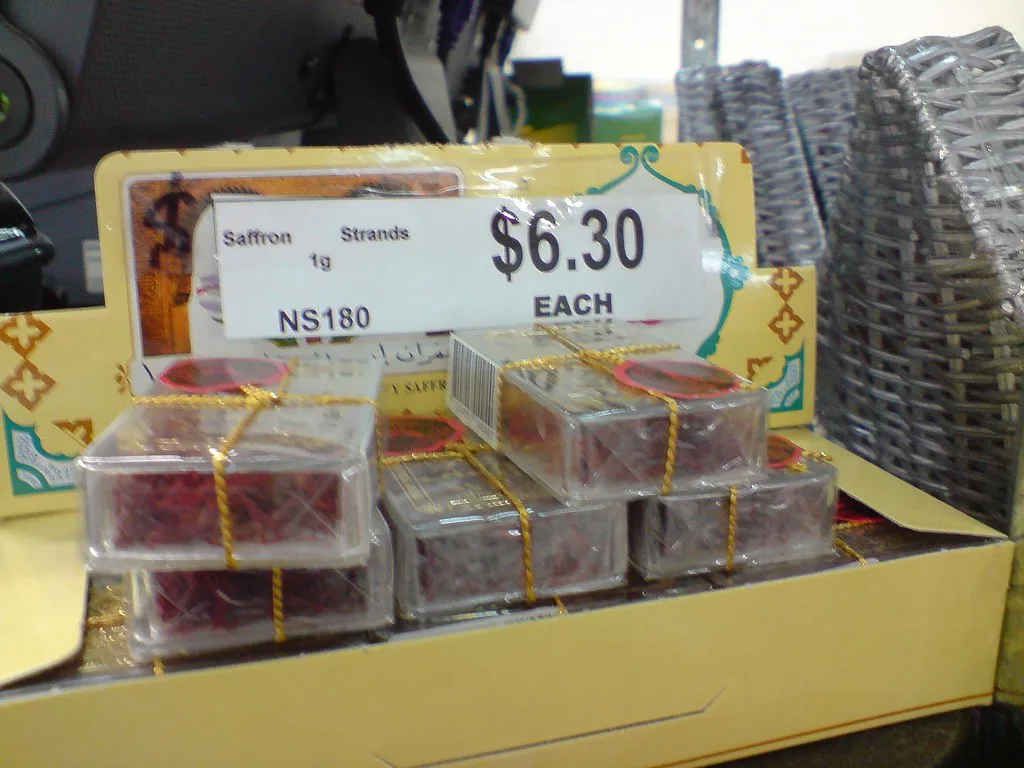
Saffron Threads vs Powder: Which One Should You Choose and Why Purity Matters
Saffron is often called the “red gold” of spices, prized for its deep color, floral aroma, and complex flavor. However, when buying saffron, many people wonder which form is better—threads or powder. Understanding the difference between saffron threads vs powder is essential if you want to capture the true benefits of this remarkable spice and avoid imitation products.
What Are Saffron Threads?
Saffron threads are the natural dried stigmas of the Crocus sativus flower. Each thread is hand-harvested, which makes pure saffron extremely valuable. Threads retain all of saffron’s natural oils, color compounds, and antioxidants, making them the most authentic and potent form available. When you steep or grind saffron threads yourself, you control the extraction process and can see the quality directly—deep red color, strong aroma, and slow release of golden color into liquid.
Saffron threads are ideal for those who want the highest level of purity and flavor. They are used in premium cooking, wellness drinks, and beauty formulations. For everyday use, a small pinch of threads is enough to color and flavor rice, soups, teas, and desserts. Explore authentic threads in the Saffron Threads Collection to experience the difference of true hand-picked saffron.
What Is Saffron Powder?
Saffron powder is made by grinding dried saffron threads into a fine form. It is more convenient to use and dissolves quickly in water or milk, making it popular for baking, drinks, and quick recipes. However, powdered saffron is much easier to adulterate. Unscrupulous sellers may mix it with turmeric, paprika, or synthetic dyes to mimic the red color of pure saffron. Because of this, saffron powder must be purchased only from trusted sources that verify its origin and purity.
Although saffron powder can save time, it loses some aroma and volatile compounds during grinding and storage. It also oxidizes faster, which reduces its potency. The best option for consistent quality is to buy pure saffron threads and grind a small portion yourself before use. This ensures the powder you use is fresh, genuine, and full of natural aroma.
Saffron Threads vs Powder: The Key Differences
When comparing saffron threads vs powder, the main distinction lies in authenticity and longevity. Threads are more durable, visually verifiable, and can be stored for months without losing quality. Powdered saffron, while convenient, is more fragile and prone to adulteration. Threads allow you to verify purity with your eyes—real saffron threads are trumpet-shaped, deep red, and never uniformly colored from top to bottom.
How to Identify Pure Saffron
Because of saffron’s high value, imitation or diluted products are common. To identify pure saffron, look for the following signs:
- Color test: Place a few threads in warm water. Genuine saffron will release its color gradually over ten to fifteen minutes, turning the water golden yellow. Fake saffron colors the water instantly or creates a red tint.
- Smell test: Real saffron has a distinct earthy, honey-like aroma with a hint of hay or floral notes. Artificial products often smell sweet or metallic.
- Touch test: Pure saffron threads remain firm and slightly dry to the touch. Fake saffron may feel oily or crumble easily.
- Visual test: True saffron threads have a natural curve and are red at the tip with a slight orange hue near the base. Completely uniform or flat pieces usually indicate dyed materials.
You can read our full guide on authenticity in How to Identify Pure Saffron to learn simple ways to test your saffron at home.
When to Use Each Type
Use saffron threads when you want maximum control and flavor, such as in traditional dishes like Persian saffron rice, paella, risotto, or saffron tea. Threads are also the preferred choice for luxury or gift packaging. Powdered saffron is better suited for quick desserts, smoothies, or sauces when time is limited and visual presentation is less important. For health and culinary excellence, pure saffron threads remain the gold standard.
The Final Word on Purity and Quality
When it comes to saffron threads vs powder, authenticity is more important than convenience. Pure saffron threads deliver superior aroma, stability, and quality you can trust. Grinding your own powder from real threads ensures that every dish or drink contains genuine saffron, free of additives or coloring agents.
Choosing saffron threads ensures that you experience the spice as nature intended—rich, aromatic, and full of life. To elevate your cooking and wellness rituals with authentic Iranian saffron, visit the Saffron Threads Shop and bring home the essence of real red gold.
Freshness: Threads Last Longer Than Powder
One of the most significant advantages of saffron threads over powder is shelf life. Whole threads retain their volatile oils and aromatic compounds for up to two to three years when stored properly. The intact structure of the thread acts as a natural barrier, protecting the delicate compounds inside from oxidation.
Powder, on the other hand, has a much shorter shelf life. Grinding breaks down the cellular structure of the saffron, exposing a vastly larger surface area to air. This accelerated oxidation means that ground saffron can lose significant potency within six to twelve months. If you’ve ever bought pre-ground saffron and noticed it seemed flavorless after a few months, oxidation is the reason.
For this reason, many professional chefs and saffron enthusiasts buy only threads and grind small amounts as needed. This approach guarantees that every dish gets the freshest, most potent saffron possible.
Potency: Threads Retain Aroma Better
Saffron’s power lies in its three key compounds: crocin (responsible for color), picrocrocin (responsible for flavor), and safranal (responsible for aroma). These compounds are volatile, meaning they evaporate and degrade when exposed to air, light, and heat.
In thread form, these compounds remain locked within the cellular structure of the stigma. The thread’s natural moisture content and physical form slow down the release of aromatic molecules. In powder form, these same compounds are exposed to air on all sides, causing them to dissipate rapidly. Studies have shown that ground saffron can lose up to 50% of its safranal content within the first few months of storage, while threads retain the majority of their aroma for a year or more.
How to Grind Saffron Threads at Home
Grinding your own saffron is simple and ensures maximum freshness. Here’s how to do it properly:
- Place a small pinch of saffron threads in a dry mortar and pestle.
- Add a few grains of salt or sugar — this creates friction and helps break the threads down into a fine powder.
- Grind in a circular motion for 1–2 minutes until the saffron becomes a fine, uniform powder.
- Transfer the freshly ground powder to your recipe immediately, or bloom it in warm water, milk, or broth.
Avoid using electric coffee grinders or blenders, as the heat generated by the motor can damage saffron’s volatile oils. A traditional stone mortar and pestle is ideal because it grinds without generating heat. If you must use an electric grinder, pulse in short bursts and use it only for a few seconds at a time.
Which Form Is Better for Cooking vs Baking?
For cooking — especially dishes like rice, stews, and soups where saffron is infused into liquid — threads are almost always the better choice. They allow you to bloom the saffron in warm broth or water, extracting the full depth of color and flavor. You can also see the threads in the dish, which adds visual appeal and signals authenticity to your guests.
For baking, the answer is more nuanced. In recipes like saffron cakes, cookies, or breads, powder can be more convenient because it distributes evenly throughout the batter. However, you should still grind the powder yourself from threads just before baking. Pre-ground saffron powder can produce uneven results and may have already lost much of its flavor by the time it reaches your kitchen.
Storage Differences Between Threads and Powder
Both forms of saffron require protection from light, heat, moisture, and oxygen, but powder is more demanding. Here’s a quick comparison:
- Threads: Store in an airtight glass jar in a cool, dark place. Will maintain potency for 2–3 years. Minimal risk of adulteration during storage.
- Powder: Store in an airtight container, ideally vacuum-sealed, in a cool, dark place. Best used within 6–12 months. Higher risk of absorbing odors and moisture due to increased surface area.
If you have both threads and powder, use the powder first and save the threads for later. The threads will still be potent long after the powder has lost its punch.
How to Avoid Adulterated Saffron Powder
Saffron powder is the form most commonly adulterated. Because the threads have been ground, it’s impossible to visually verify authenticity. Common adulterants include turmeric, paprika, safflower, corn silk, and even synthetic dyes. Here’s how to protect yourself:
- Buy from reputable sellers who provide lab test results or ISO 3632 certification.
- Perform the water bloom test: real saffron powder will release color slowly, turning water golden. Adulterated powder will color water instantly and may turn it red rather than yellow.
- Smell the powder: genuine saffron has a distinct earthy, honey-like aroma. If it smells like turmeric or has no scent, it’s likely adulterated.
- Price check: if the powder seems unusually cheap, it probably isn’t pure saffron.
- When in doubt, buy threads and grind them yourself.
Price Comparison: Threads vs Powder
At first glance, saffron powder often appears cheaper than threads. However, this price difference can be misleading. Pure saffron powder made from high-quality threads should cost roughly the same per gram as the threads it was made from. If powder is significantly cheaper, it’s likely been cut with fillers or lower-grade material.
When you buy threads, you’re also paying for the visual proof of quality. You can inspect the color, length, and condition of the threads. With powder, you’re trusting the seller’s word — and that trust comes at a premium when buying from reputable sources that conduct lab testing.
Can I substitute saffron powder for threads in recipes?
Yes. Use approximately ¼ teaspoon of powder for every pinch (10–15 threads) called for in a recipe. However, for the best flavor, bloom the powder in warm liquid for 5–10 minutes before adding it to your dish.
How can I tell if saffron powder is pure?
Perform the water test: add a small amount of powder to warm water. Pure saffron will slowly turn the water golden yellow. Adulterated powder will color the water instantly and may produce a red or orange tint rather than golden.
Do saffron threads and powder taste different?
Freshly ground saffron powder and threads should taste identical. However, pre-ground powder that has been sitting on a shelf for months will taste noticeably weaker and less aromatic than fresh threads.
Which is better for saffron tea — threads or powder?
Threads are better for tea because you can see them steeping and remove them when the desired color is reached. Powder dissolves completely, which is fine but makes it harder to judge strength.