
What Saffron Actually Does in Your Cooking
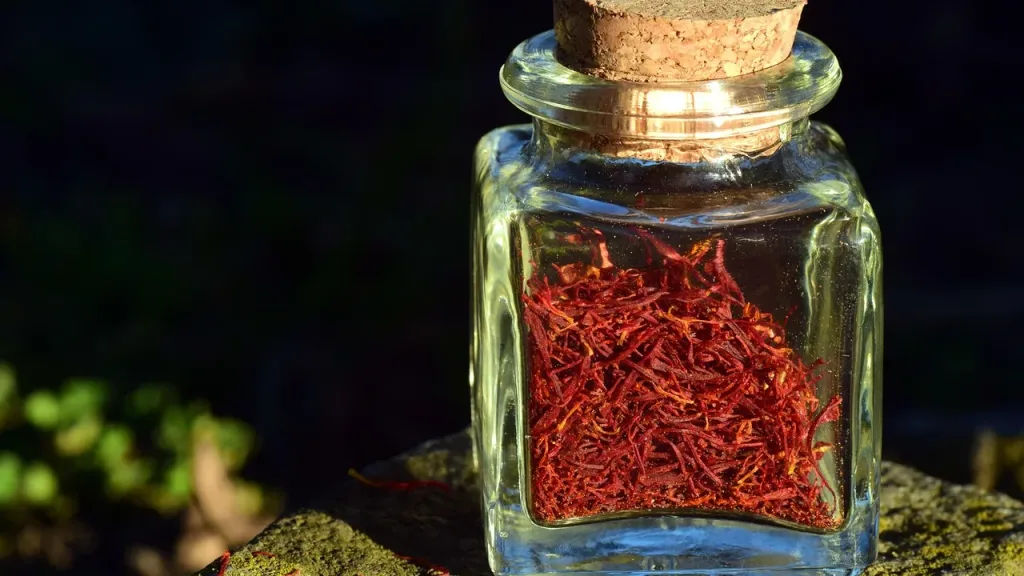
Saffron is the only spice that contributes all three elements of great cooking at once: a deep golden color, a distinctive aroma, and a complex flavor that’s floral, honeyed, and slightly earthy all at once. Understanding this trio is the key to cooking with it well — because each cooking method releases these properties differently.
A small pinch of threads — roughly 20 to 30 — is enough for a dish serving four to six people. If you want a deeper dive into the flavor itself, see our guide on what saffron tastes like.
Preparing Saffron: Three Methods
1. Blooming in Warm Water (The Classic Method)
This is the most common and reliable technique, used in Persian and Indian kitchens for centuries:
- Crush 20–30 threads between your fingers, or grind them in a small mortar
- Add to 2–3 tablespoons of warm (not boiling) water — around 60°C / 140°F
- Let steep for 10 to 20 minutes until the liquid turns deep amber
- Add the entire mixture, threads included, to your dish
The color release is immediate, but aroma compounds take longer to fully dissolve — patience here pays off.
2. Blooming in Milk or Broth
For rice dishes, risottos, and desserts, bloom saffron directly in the liquid the dish will use: warm milk for saffron rice and puddings, or a ladle of warm broth for soups and stews. The fat in milk carries saffron’s aroma compounds exceptionally well, which is why milk-based preparations taste noticeably richer.
3. Toasting Then Grinding (For Intensity)
Dry toasting wakes up older saffron or intensifies fresh threads:
- Place threads in a dry skillet over lowest heat for 30–60 seconds
- They should become brittle and fragrant — never browned or smoking
- Grind immediately to a fine powder, then bloom in warm liquid as above
Saffron Ratios: How Much to Use
The most common mistake in saffron cooking is using too much. Saffron is potent, and overdosing produces a medicinal, bitter taste that ruins a dish. Use these tested ratios:
| Dish Type | Threads (4 servings) | Liquid for Blooming |
|---|---|---|
| Rice dishes | 20–30 | 3 tbsp warm water or milk |
| Soups & stews | 15–20 | 2 tbsp warm broth |
| Desserts & puddings | 10–15 | 2 tbsp warm milk |
| Drinks & teas | 8–12 | 1 cup hot (not boiling) water |
| Breads & baking | 15–20 | 3 tbsp warm milk |
For reference on intake and safety limits, see our saffron dosage guide.
When to Add Saffron During Cooking
Timing matters more than most cooks realize:
- Add early for rice and grain dishes — bloomed saffron goes in with the cooking liquid so the color infuses every grain
- Add mid-cooking for soups and stews — about 20 minutes before the end preserves aroma while distributing flavor
- Add at the very end for delicate sauces and desserts — prolonged high heat destroys the aromatic compounds
- Never add directly to boiling liquid — always bloom first in warm liquid, then add the mixture
5 Common Saffron Cooking Mistakes
1. Using Too Much
More saffron does not mean better flavor — past a certain point it turns bitter and medicinal. If your dish tastes metallic or medicine-like, you’ve overdosed. Scale back by half next time.
2. Skipping the Bloom
Throwing dry threads into a dish releases only a fraction of saffron’s color and aroma. Blooming in warm liquid first can extract several times more of the active compounds.
3. Using Boiling Water
Water above 80°C / 176°F degrades safranal, the compound responsible for saffron’s signature aroma. Warm — not hot — liquid is the rule.
4. Adding It Too Late
Saffron needs time to infuse. A last-minute sprinkle leaves you with expensive garnish instead of infused flavor.
5. Cooking With Fake or Adulterated Saffron
Much of the world’s saffron is cut with dyed corn silk, safflower, or straw. If your “saffron” colors water instantly and artificially red, it’s likely fake. Learn to spot it in our guide on how to tell real saffron — and see where to buy verified saffron.
Saffron by Dish Type
Rice & Grain Dishes
The flagship use. Bloom in warm water or milk, add with the cooking liquid. Persian tahdig, Spanish paella, Indian biryani, and Italian risotto alla Milanese all follow this pattern. Our saffron rice recipe walks through the full technique.
Soups & Stews
Bouillabaisse, Persian khoresh, and seafood stews take saffron beautifully. Bloom in a ladle of warm broth, add 20 minutes before serving.
Drinks
From traditional saffron tea to golden milk and modern lattes — saffron drinks are the easiest way to enjoy it daily. Try our five saffron tea recipes.
Desserts & Baking
Saffron ice cream, rice pudding, buns, and cakes are staples of Persian and Swedish baking (think lussekatter). Bloom in warm milk and add to the wet ingredients.
Quick Reference: The 4-Step Method
- Measure — 20–30 threads for 4 servings
- Bloom — 10–20 min in warm (60°C) liquid
- Time it — early for rice, mid for stews, late for desserts
- Taste — the liquid should smell floral-honeyed, never bitter
Can I reuse saffron threads after blooming?
No — blooming extracts most of the color and aroma. The spent threads add texture but little flavor, which is why you add them to the dish rather than straining them out.
How long does bloomed saffron keep?
Bloomed saffron liquid is best used within 24 hours refrigerated. The aroma fades quickly; fresh is always better.
Can I grind saffron in advance?
Yes — powdered saffron keeps its potency in an airtight container away from light for about 2–3 months. Whole threads stay fresh much longer; see our guide on how to store saffron.
What’s the difference between saffron threads and powder in cooking?
Threads are the whole stigma and keep longer; powder disperses faster but loses aroma sooner. Our comparison of saffron threads vs powder covers the trade-offs.
Why did my saffron water turn yellow instead of golden?
Usually one of two things: too few threads for the volume of liquid, or low-grade saffron with weak pigmentation. Super Negin and Sargol grades release a deep amber-gold color reliably.
The Bottom Line
Cooking with saffron comes down to four things: real threads, a proper warm-liquid bloom, correct timing, and restraint in quantity. Master those and a single gram of good saffron will elevate dozens of meals. For the full background on grades and quality, see types of Iranian saffron.