
Search interest in saffron for weight loss keeps climbing, fueled by the supplement industry’s boldest claims. The truth sits in between: saffron is not a fat burner, but it does have one genuinely interesting, studied effect — on snacking and appetite. Here is the honest read.
The Key Study: Saffron and Snacking
The most cited trial randomized mildly overweight, healthy women to a standardized saffron extract (Satiereal) or placebo for 8 weeks. The saffron group snacked significantly less, felt fuller, and lost more weight than placebo — a modest but real difference (Gout et al., Nutrition Research, 2010; PMID 20579522). The mechanism researchers proposed: saffron’s mood-supporting effect reduces stress- and boredom-driven eating.
Why Mood Matters for Weight
Emotional eating is one of the most common saboteurs of weight management. Saffron’s best-documented effect is mood support — multiple RCTs and a recent meta-analysis show improvements in mood and emotional wellbeing (PMID 41693488). A calmer mood means fewer reward-seeking snack runs. That is the plausible chain: saffron → steadier mood → fewer cravings → easier deficit.
What Saffron Will NOT Do
- It does not “burn fat” or boost metabolism meaningfully.
- It will not out-eat a poor diet — no supplement will.
- Results in trials were modest (a few pounds over 8 weeks), not transformational.
How to Use Saffron Sensibly
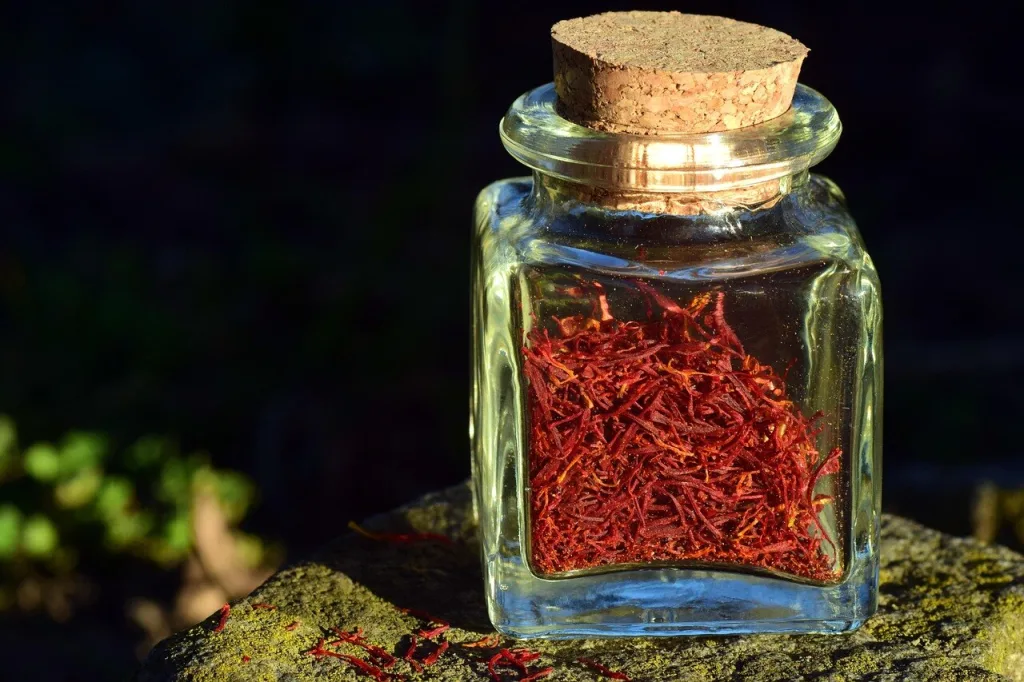
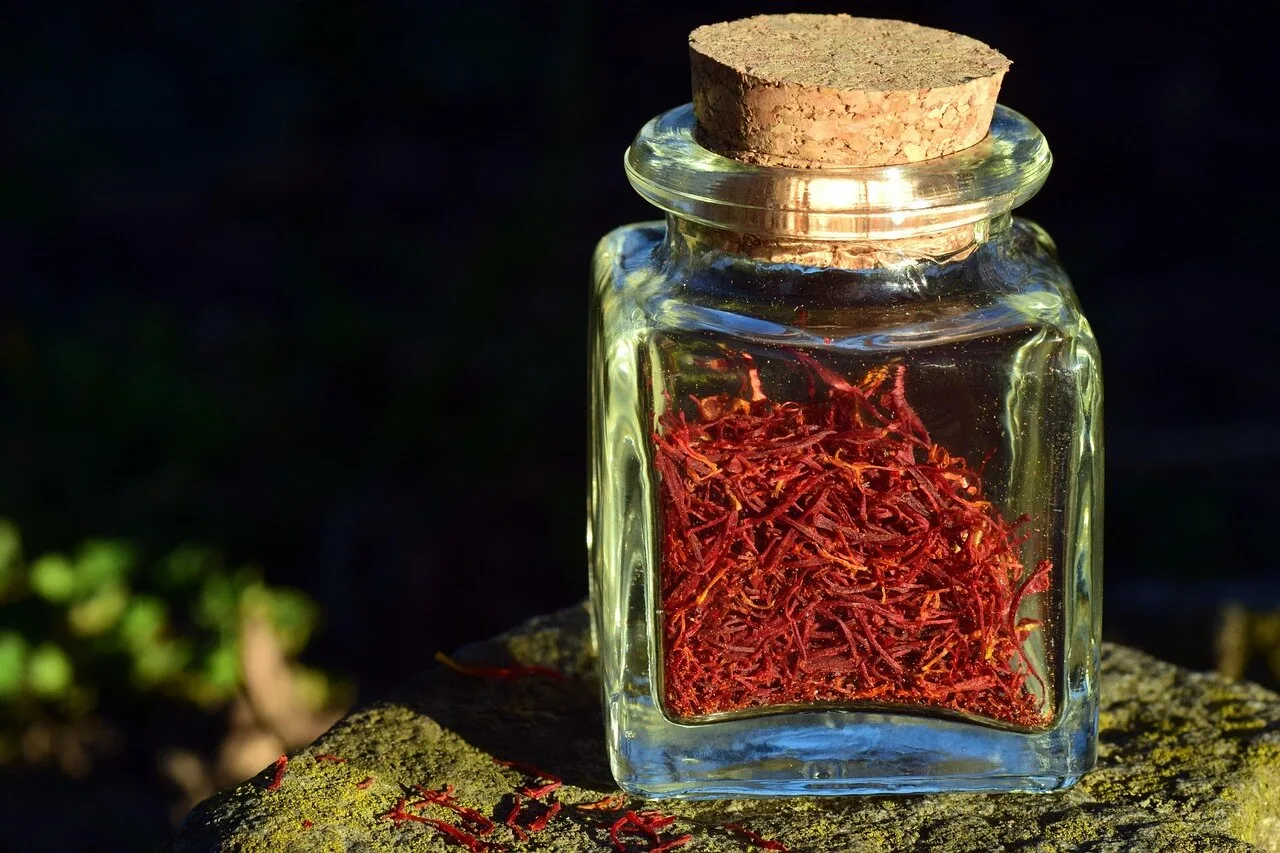
- Daily serving: ~30 mg (15–20 threads brewed, or one latte) — the range used across saffron trials (dosage guide).
- Timing trick: a saffron tea or latte 30–60 minutes before your danger zone (late afternoon or evening snacking).
- Swap, not add: use it to replace a 300-calorie snack — a caffeine-free latte that supports mood and fullness.
- Pair with basics: protein, fiber, sleep, movement. Saffron supports the system; it is not the system.
Safety
Well tolerated at study doses; interactions with SSRIs and blood pressure medications apply — see our safety guide.
The Bottom Line
If your weight struggle is driven by snacking and stress eating, saffron is one of the few natural options with trial data behind it. If it is not, look elsewhere first. Either way, a daily saffron ritual is a pleasant habit with broader mood and sleep benefits.
Ready to make saffron part of your daily wellness routine? Explore our saffron tea recipes or discover our caffeine-free saffron latte mix — a convenient, delicious way to get your daily saffron.
Does saffron help with weight loss?
Indirectly, yes. Trials show saffron reduces snacking and increases satiety, producing modest weight loss over 8 weeks — likely by supporting mood and curbing emotional eating. It is not a fat burner.
How does saffron reduce appetite?
Researchers believe saffron’s mood-supporting compounds reduce stress- and boredom-driven snacking rather than suppressing appetite directly.
When should I take saffron for snacking?
A saffron tea or latte 30–60 minutes before your usual snacking window works well for most people.
How much saffron should I take daily?
About 28–30 mg — 15–20 threads brewed, or one serving of saffron latte mix — matches the doses used in clinical trials.