
Why Saffron Is So Expensive: The Real Value Behind the World’s “Red Gold”
Saffron is known as the most expensive spice in the world, often costing thousands of dollars per kilogram. For many people, this raises the question—why is saffron so expensive? The answer lies in its extraordinary production process, labor intensity, and purity requirements. Every strand of saffron represents hours of manual work, tens of thousands of flowers, and a delicate balance of tradition and craftsmanship that no other spice can match.
The Rare Flower That Produces Saffron
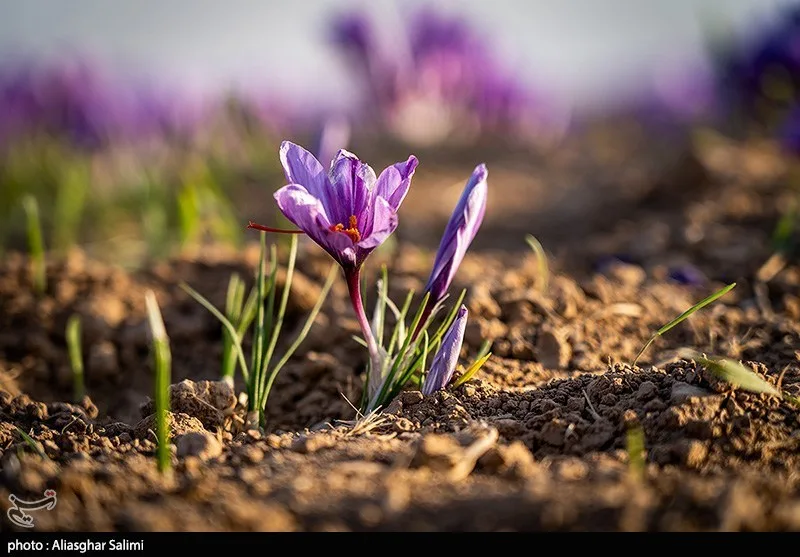
Saffron comes from the Crocus sativus flower, which blooms for only a few weeks each year in autumn. Each flower contains just three bright red stigmas—these are the saffron threads. Because the flowers are so delicate, harvesting them must be done entirely by hand. Farmers rise before dawn to pick the blossoms while they are still closed to protect the stigmas from sunlight and wind. This level of care limits production to small quantities and requires an immense amount of labor.
A Labor-Intensive Harvest
One of the main reasons saffron is so expensive is the sheer number of flowers required to produce even a small amount of spice. It takes around 75,000 saffron flowers to yield one pound of dried saffron threads, as documented in agricultural research on saffron cultivation. Each flower must be handpicked and hand-processed, as machines cannot handle such fragile material. The red stigmas are carefully separated from the petals and dried using traditional methods that preserve color and aroma. This time-consuming process explains why saffron is often referred to as “red gold.”
Climate and Geographic Limitations
Saffron can only grow in specific climates—cold winters, hot and dry summers, and well-drained soil. These narrow conditions mean that only a few regions in the world can cultivate saffron successfully. Iran produces about ninety percent of the world’s supply, followed by smaller producers in India (Kashmir), Spain, Greece, and Afghanistan — for volumes and rankings, see our data on the top saffron producing countries. Limited cultivation areas contribute to restricted global supply, while growing demand in the culinary, wellness, and cosmetic industries continues to rise.
Quality and Purity Standards
Not all saffron is created equal. The price depends on saffron grades such as Super Negin, Negin, and Sargol, which vary by thread length, color, and aroma strength. Premium saffron is made up of long, deep red stigmas with no yellow or white base attached. Testing for purity involves measuring crocin (color), picrocrocin (flavor), and safranal (aroma) levels. Authentic producers follow strict drying and packaging processes to maintain these properties, which further increases cost.
Because saffron is so valuable, counterfeit products and adulteration are common. Imitation saffron made with dyed corn silk, turmeric, or synthetic fibers can look similar but lacks the flavor and health benefits of pure saffron. For this reason, buying from a trusted source that provides purity certification is essential.
Health and Culinary Benefits
Beyond its rarity, saffron’s health and culinary properties also add to its value. Rich in antioxidants, it supports mood balance, cognitive focus, and overall vitality. In cooking, saffron provides a golden hue and subtle floral flavor unmatched by any other spice. A small pinch can transform rice, desserts, or beverages into aromatic, visually stunning dishes. Because it is so concentrated, even a tiny amount can flavor large servings, balancing its high cost with exceptional potency.
Supply Chain and Export Costs
Saffron is produced primarily in rural regions where transportation and storage require careful handling. Exporting high-grade saffron involves vacuum sealing, laboratory testing, certification, and compliance with international trade standards. These additional steps ensure the spice reaches consumers in its purest form but also increase its market price.
The True Value of Saffron
When you consider how saffron is grown, harvested, and prepared, its price begins to make sense. Each thread captures the story of thousands of blossoms and hundreds of hours of manual labor. Unlike mass-produced spices, saffron is entirely natural, hand-harvested, and deeply rooted in cultural heritage. Its cost reflects authenticity, scarcity, and craftsmanship—qualities that have made it a symbol of luxury and wellness for over three millennia.
To explore today’s global saffron prices and understand what affects cost by grade and origin, visit our Saffron Pricing Guide for a detailed market overview.
Saffron’s high price is not simply a reflection of rarity—it represents a legacy of patience, precision, and respect for nature. Every thread you hold is a piece of history, a measure of skill, and a reminder of the extraordinary work that turns a delicate flower into the world’s most valuable spice.
The Labor Cost: 150,000 Flowers Per Kilogram
To truly understand why saffron commands such extraordinary prices, you need to grasp the scale of labor involved. Producing a single kilogram of dried saffron requires approximately 150,000 flowers. That means a farmer must handpick 150,000 individual blossoms, each one carefully separated from its stem without damaging the three delicate stigmas inside. In practical terms, this translates to roughly 370–460 hours of labor per kilogram of finished saffron.
Compare this to other spices: black pepper, cumin, and paprika can all be harvested mechanically in large quantities. Saffron, by contrast, has resisted mechanization for over 3,000 years. The flowers are too fragile for machines, and the stigmas must be separated with a precision that only human hands can provide. Every attempt to automate the process has resulted in damaged threads and reduced quality, making manual labor irreplaceable.
Harvest Timing: Why It Must Be Hand-Picked at Dawn
The saffron harvest is a race against time. The Crocus sativus flowers bloom overnight, and they must be picked before sunrise. Once the sun hits the open flowers, the stigmas begin to lose moisture and their volatile aromatic compounds start to evaporate. This is why saffron farmers in Iran, Kashmir, and Spain work in the pre-dawn darkness, moving through the fields with headlamps and baskets. For a step-by-step walkthrough of the season, see our complete guide to the saffron harvest process.
The flowering season lasts only two to three weeks, and not all flowers bloom on the same day. Farmers must monitor their fields daily, picking each wave of blooms as they appear. A single day’s delay can mean lost yield, as flowers left unpicked will wither and their stigmas will degrade. This narrow harvest window creates intense periods of labor that cannot be spread out or delayed.
How Saffron Is Priced Globally
Saffron pricing varies dramatically depending on grade, origin, and market channel. At the wholesale level, Iranian saffron typically sells for $500 to $1,000 per kilogram depending on quality. Spanish saffron, often considered premium in Western markets, can command $1,500 to $2,500 per kilogram. Kashmiri saffron, prized for its deep color and intense aroma, can reach even higher prices.
At the retail level, consumers pay significantly more. A single gram of high-quality saffron threads can cost anywhere from $8 to $20 in the United States and Europe. Premium grades like Super Negin or Kashmiri Mongra can cost even more. The markup from wholesale to retail reflects packaging, certification, import duties, marketing, and distribution costs.
It’s worth noting that saffron’s per-serving cost is actually quite reasonable. A typical recipe calls for only 10–20 threads, which works out to less than a dollar per dish. When viewed this way, saffron’s expense becomes more manageable — you’re paying for potency, not quantity.
Adulteration and Its Effect on Market Prices
Because saffron is so valuable, adulteration is a persistent problem in the global market. Common adulterants include dyed corn silk, safflower petals, turmeric, and even synthetic fibers colored red. Some sellers add moisture to increase weight, while others mix old, low-grade saffron with fresh threads to improve appearance. These practices not only cheat consumers but also distort market pricing.
Adulterated saffron undermines the market in two ways. First, it creates unfair competition for honest producers who maintain purity standards and must charge accordingly. Second, it erodes consumer trust, making buyers hesitant to pay premium prices even for genuine saffron. This is why third-party lab testing and certifications like ISO 3632 are so important — they provide an objective measure of quality that protects both producers and consumers.
Is Expensive Saffron Always Better?
Not necessarily. While price often correlates with quality, it’s not a guaranteed indicator. Some of the most expensive saffron on the market is sold in attractive packaging but may not actually test higher in crocin, picrocrocin, or safranal content than more modestly priced alternatives. Conversely, some of the best saffron comes directly from small-scale Iranian farmers who sell at reasonable prices because they bypass multiple layers of intermediaries.
The best way to evaluate saffron is not by price alone but by grade, origin, harvest date, and lab test results. Look for sellers who are transparent about their sourcing and can provide ISO 3632 test data. A reputable seller should be able to tell you when the saffron was harvested, where it was grown, and what grade it is. If a seller cannot answer these questions, a high price tag doesn’t guarantee quality.
How much does saffron cost per gram?
In the United States and Europe, high-quality saffron typically costs between $8 and $20 per gram at retail. Wholesale prices range from $500 to $2,500 per kilogram depending on grade and origin.
Why is saffron more expensive than gold?
By weight, saffron can cost more than gold. This is because each kilogram requires 150,000 hand-picked flowers, while gold can be extracted through industrial mining. The labor intensity of saffron production is what drives the price disparity.
Can I buy cheap saffron?
Be cautious of saffron sold at unusually low prices. It may be adulterated, old, or of very low grade. Genuine saffron has a cost floor determined by the labor required to produce it. If a price seems too good to be true, it probably is.
Which country produces the best saffron?
Iran produces approximately 90% of the world’s saffron and offers excellent quality at competitive prices. Kashmiri saffron from India is considered by many connoisseurs to be the finest in the world due to its deep color and intense aroma. Spanish saffron is also highly regarded, particularly for paella and Mediterranean cooking.
Will saffron prices go down in the future?
Unlikely. As global demand increases and climate change threatens traditional growing regions, saffron prices are expected to remain stable or rise. The labor-intensive nature of production means there is no technological shortcut that would dramatically reduce costs.