
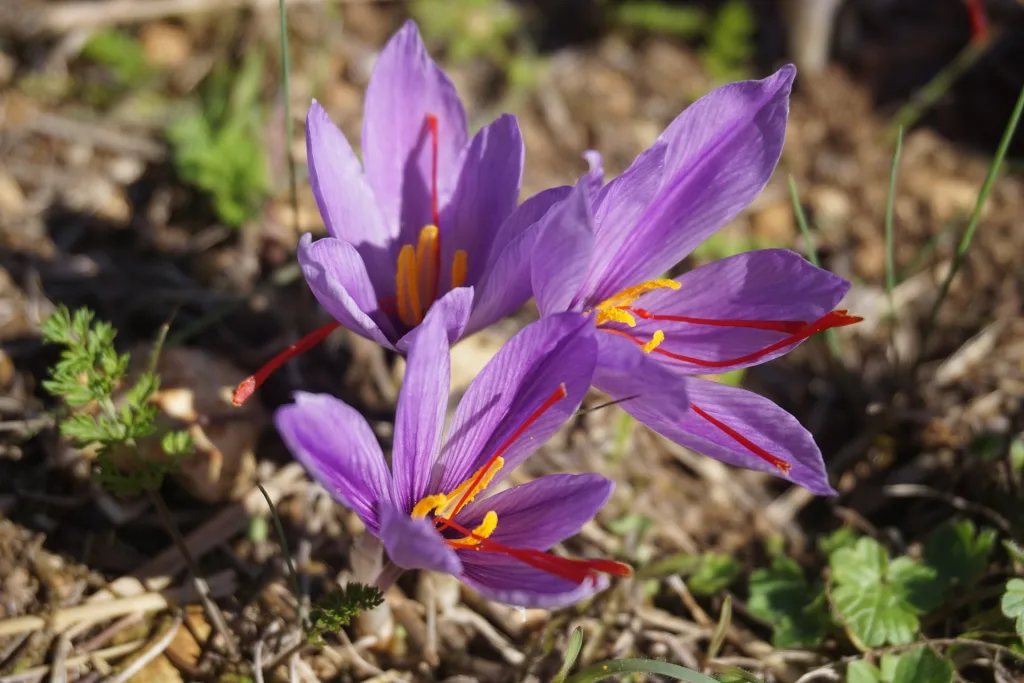
Types of Iranian Saffron: Sargol vs Negin and What Makes Each Unique
When it comes to saffron, Iran stands at the very heart of global production, supplying nearly 90% of the world’s saffron. The country’s rich soil, ideal climate, and centuries-old harvesting traditions have produced a variety of saffron grades — each with its own aroma, flavor intensity, and color power.
If you’ve ever wondered what the difference is between Sargol vs Negin, or what makes Super Negin saffron so premium, this guide breaks it all down simply and clearly.
🇮🇷 What Defines Iranian Saffron Quality
Saffron quality depends on several factors:
- Part of the stigma used (tip or full thread)
- Processing and drying method
- Color strength (Crocin), aroma (Safranal), and flavor (Picrocrocin) levels, which are measured against international quality grading standards
Iranian saffron is graded and classified based on these characteristics — from basic threads to ultra-premium varieties.
🌼 The Main Types of Iranian Saffron
1️⃣ Negin Saffron
Negin saffron is one of Iran’s most popular and high-quality types. It is made of long, unbroken saffron threads that include the upper part of the stigma — giving it both intense color and rich aroma.
Features:
- Deep red color, uniform strands
- Excellent flavor and aroma strength
- Ideal for both cooking and tea infusions
- Slightly more expensive than Sargol
Negin saffron threads are beautifully shaped, making them perfect for luxury packaging and gifts.
2️⃣ Super Negin Saffron
At the top of all types of Iranian saffron, you’ll find Super Negin — the most luxurious and potent grade.
It is the longest and thickest part of the stigma, carefully separated by hand and dried with precision to preserve color, strength, and volume.
Why it’s premium:
- Highest Crocin levels → most intense golden color
- Longer, fuller threads
- Premium aroma and strong flavor release
- Perfect for gourmet use and export
Super Negin saffron is often referred to as the “king” of saffron varieties — rare, visually striking, and exceptionally pure.
3️⃣ Sargol Saffron
Sargol (meaning “top of the flower”) consists only of the red tips of the saffron threads — no yellow or white parts.
It’s 100% red stigma, finely cut and rich in aroma, commonly used in everyday Persian cooking.
Key qualities:
- Pure red stigmas only (no style or white base)
- Very strong aroma and flavor
- Slightly shorter threads than Negin
- Affordable and widely available
In the Sargol vs Negin comparison, Sargol is more compact and aromatic, while Negin offers longer, showier strands and slightly milder flavor.
4️⃣ Pushal (Poushal) Saffron
Pushal saffron includes a small yellow portion of the style attached to the red stigma.
While it has slightly lower coloring power, it’s still pure and authentic saffron — often used in bulk cooking or large-scale production.
Traits:
- Contains red and some yellow parts
- Good for value buyers
- Common in local Iranian markets
Whatever grade you choose, sourcing matters — see where to buy saffron for trusted options.
Pushal saffron is often used in rice dishes, bakery, and dessert infusions where color and cost balance matter.
5️⃣ Konj (White Saffron)
Konj saffron, also called style or cream saffron, is the yellowish-white part of the stigma base.
While it doesn’t add color, it still carries the saffron fragrance and is used in traditional medicine or skincare blends.
Note:
Konj isn’t fake saffron — it’s simply the non-pigmented base of the same stigma.
⚖️ Sargol vs Negin: Which Should You Choose?
| Feature | Sargol | Negin |
|---|---|---|
| Color Intensity | Very high | High |
| Aroma Strength | Strong | Medium-Strong |
| Thread Length | Shorter | Longer |
| Visual Appeal | Deep red tips | Uniform red strands |
| Common Use | Everyday cooking, infusions | Premium cooking, gifts |
| Price | Moderate | Slightly higher |
Verdict:
- Choose Sargol saffron if you value strong aroma and everyday use.
- Choose Negin or Super Negin saffron if you prefer premium color, presentation, and export quality.
🔬 ISO 3632 Grading Standard Explained
The ISO 3632 standard is the internationally recognized framework for classifying saffron quality. It measures three key compounds that determine saffron’s potency:
- Crocin — determines coloring strength. Measured by spectrophotometry at 440 nm wavelength. Higher values indicate deeper, more vibrant color.
- Picrocrocin — determines flavor intensity. Measured at 257 nm. This compound gives saffron its distinctive slightly bitter, earthy taste.
- Safranal — determines aroma. Measured at 330 nm. This volatile compound is responsible for saffron’s warm, honey-like fragrance.
Based on these measurements, saffron is classified into three categories:
- Category I: The highest quality, with crocin readings above 200, picrocrocin above 70, and safranal above 20–50. Super Negin and premium Negin typically fall into this category.
- Category II: Good quality, with slightly lower compound values. Most Sargol and standard Negin fit here.
- Category III: Acceptable quality, with the lowest thresholds. Pushal and some bulk saffron may fall into this category.
When buying saffron, ask the seller for ISO 3632 test results. Reputable suppliers should be able to provide batch-specific laboratory reports showing these values.
🌾 How Each Type Is Harvested and Sorted
All Iranian saffron begins the same way — with hand-picking Crocus sativus flowers at dawn during the autumn harvest season. The differentiation happens during the post-harvest processing:
- Sargol: The red stigma tips are snipped off from the rest of the thread. This produces short, pure red pieces. The yellow style is discarded.
- Negin: The sorter keeps the thread whole, carefully cutting away most of the yellow style while leaving the red stigma intact and long. This requires skilled hands to maintain thread length without breaking.
- Super Negin: After the initial Negin sorting, a second round selects only the longest, thickest, and purest threads. This double-sorting produces the rarest and most premium grade.
- Pushal: The red stigma is cut along with a small portion of the yellow style still attached. This is faster and requires less precision, making it more economical.
- Konj: The remaining yellow-white style portions are collected separately. While not used for coloring, they retain some aromatic compounds.
🎨 Color Intensity and Crocin Content by Grade
Crocin content — the compound responsible for saffron’s golden color — varies significantly across grades. Here’s how they compare:
- Super Negin: Crocin 230–250+ (highest, deepest golden color)
- Negin: Crocin 200–230 (very high, rich golden color)
- Sargol: Crocin 190–220 (high, strong coloring power)
- Pushal: Crocin 150–180 (moderate, lighter golden color)
- Konj: Crocin below 50 (minimal coloring, mostly aromatic)
Higher crocin content means you need fewer threads to achieve the desired color, which partially offsets the higher price of premium grades.
👁️ How to Identify Each Type Visually
With a little practice, you can identify saffron grades by appearance alone:
- Super Negin: Long (2.5–3cm), thick, uniformly deep red threads. No yellow visible. Threads have a slight curl and glossy sheen.
- Negin: Long (2–2.5cm), red threads with minimal yellow at the very base. Slightly thinner than Super Negin but still robust.
- Sargol: Short (1–1.5cm), pure red broken tips. No yellow. Threads look like small red flakes or short curls.
- Pushal: Medium length with visible red and yellow portions. The yellow style is clearly attached to the red stigma.
- Konj: Yellowish-white strands. No red coloration. Looks like dried grass or light yellow threads.
💰 Price Comparison Across Grades
Saffron pricing reflects the labor, skill, and rarity involved in producing each grade — a direct result of the economics behind saffron’s price. Approximate relative pricing:
- Super Negin: Highest price — typically 20–30% more than Negin due to double-sorting and rarity.
- Negin: Premium pricing — the sweet spot between quality and value.
- Sargol: 10–15% less than Negin. Excellent value for everyday cooking.
- Pushal: 20–30% less than Sargol. Budget-friendly for bulk use.
- Konj: Lowest price. Sold for aromatic or medicinal purposes, not coloring.
Which Iranian saffron grade is best for cooking?
For everyday cooking, Sargol offers excellent value with strong coloring power and aroma. For special occasions or when presentation matters, Negin or Super Negin provide superior visual appeal and a more complex, layered flavor.
Is Super Negin worth the extra cost?
If you use saffron regularly, Super Negin can be more economical per use because its higher potency means you need fewer threads. It’s also the best choice for gifting, premium packaging, and recipes where saffron is the star ingredient.
Can I mix different saffron grades?
While you can mix grades, it’s generally better to use a single grade for consistent results. Mixing Sargol with Pushal, for example, would dilute the coloring power. If you have both Negin and Sargol, use Negin for presentation dishes and Sargol for everyday cooking.
How can I verify that my Iranian saffron is authentic?
Look for ISO 3632 lab reports, check that the seller provides origin information (Khorasan Province is the gold standard), and perform the water test: place a few threads in warm water and observe. Authentic saffron releases color slowly over 10–15 minutes, turning the water golden yellow, not red.
🌿 Authenticity Matters
No matter which type you choose, always ensure you’re buying pure, unadulterated Iranian saffron.
At SaffronWell.com, we source directly from certified farms in Iran’s Khorasan region, where generations of growers have perfected the art of saffron cultivation.
👉 Learn how to verify saffron quality in our guide: How to Identify Pure Saffron
✨ Final Thoughts
Understanding the types of Iranian saffron — from Sargol vs Negin to Super Negin and Pushal — helps you appreciate the craftsmanship behind every thread.
Each grade serves a purpose, from daily cooking to fine dining and wellness rituals.
No matter which you choose, Iranian saffron remains the benchmark for purity, potency, and prestige — the true golden spice of life.