
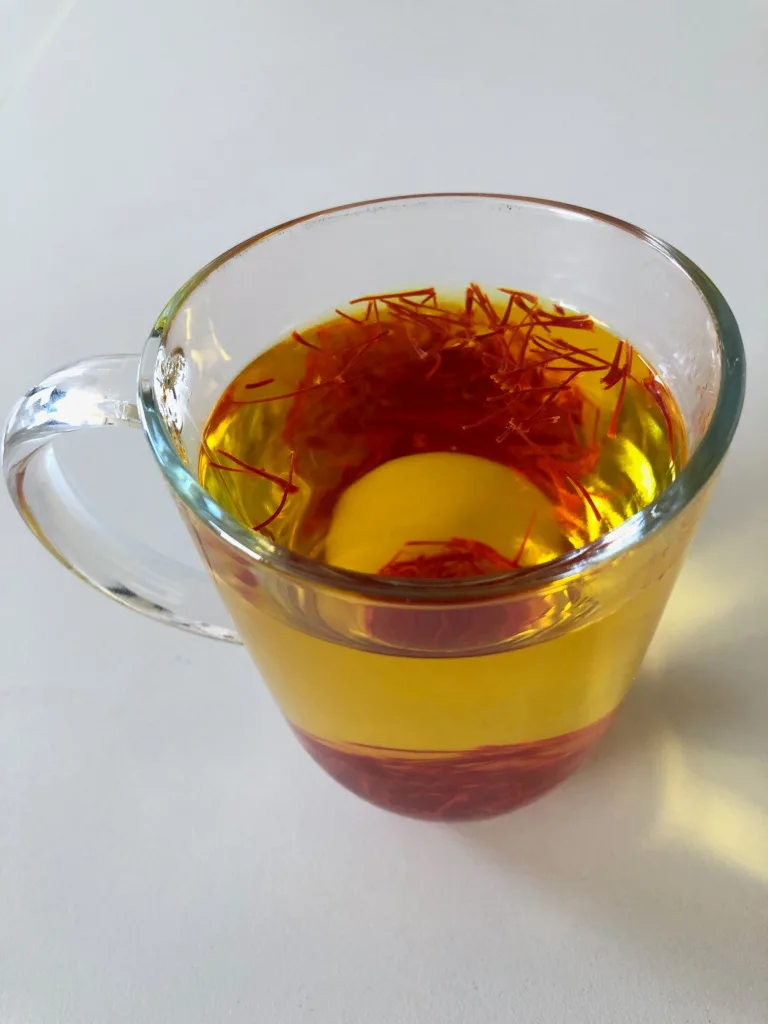
Saffron Tea: 5 Recipes for Sleep, Mood & Immunity
Saffron tea is one of the oldest wellness beverages in the world. For thousands of years, cultures across Persia, India, and the Mediterranean have steeped saffron threads in hot water to create a golden elixir prized for its medicinal properties. From ancient royal courts to modern wellness kitchens, saffron tea has endured as a natural remedy for mood, sleep, digestion, and immunity.
Today, scientific research is catching up with tradition. Studies have shown that saffron contains powerful bioactive compounds — including crocin, safranal, and picrocrocin — that offer a wide range of health benefits. In this guide, we’ll share five saffron tea recipes designed for specific wellness goals, along with everything you need to know about brewing the perfect cup. New to saffron prep? See our guide to using saffron, and if you want saffron in food form, our complete saffron rice guide covers Persian, Spanish and Indian methods first.
Why Drink Saffron Tea?
Saffron tea delivers the spice’s therapeutic compounds in a form that’s easy for the body to absorb. When you steep saffron in hot water, the heat extracts crocin (responsible for the golden color), safranal (the aromatic compound), and picrocrocin (the bitter flavor), along with a spectrum of antioxidants.
Research has shown that saffron possesses significant antioxidant, anti-inflammatory, and neuroprotective properties. A comprehensive review published in the Journal of Traditional and Complementary Medicine highlights saffron’s potential in supporting mood, cardiovascular health, cognitive function, and immune response — making it one of the most clinically studied spices in the world.
Drinking saffron tea regularly may help:
- Support healthy mood and reduce mild anxiety
- Promote restful sleep
- Boost antioxidant defenses
- Support digestive health
- Strengthen immune function
How to Make Basic Saffron Tea
Before we get to the specialized recipes, let’s start with the foundation: a simple cup of saffron tea.
Ingredients
- 5–7 high-quality saffron threads
- 1 cup (240 ml) hot water (just below boiling, around 80°C/176°F)
- Optional: honey or natural sweetener to taste
Instructions
- Crush the saffron threads gently between your fingers or with a mortar and pestle to release their oils.
- Place the crushed threads in a cup or teapot.
- Pour hot (not boiling) water over the saffron.
- Cover and let steep for 5–10 minutes.
- Strain if desired and add honey to taste.
Best time to drink: Anytime, but many people enjoy saffron tea in the morning for a gentle, caffeine-free lift or in the evening for relaxation.
Recipe 1 — Saffron Sleep Tea
This calming blend combines saffron with chamomile and honey to create a pre-bedtime ritual that promotes deep, restful sleep.
Ingredients
- 5 saffron threads
- 1 teaspoon dried chamomile flowers (or 1 chamomile tea bag)
- 1 cup hot water
- 1 teaspoon raw honey
Instructions
- Crush the saffron threads and place them in a cup with the chamomile.
- Pour hot water over the mixture and cover.
- Steep for 8–10 minutes.
- Strain, add honey, and stir gently.
Why it works: Safranal, one of saffron’s key compounds, has been shown to have mild sedative properties that may improve sleep quality. Chamomile contains apigenin, an antioxidant that binds to specific receptors in the brain that promote sleepiness and reduce insomnia. Together, they create a synergistic effect that helps calm the nervous system.
Best consumed: 30 minutes before bedtime.
Recipe 2 — Saffron Mood Boost Tea
This fragrant blend pairs saffron with rose petals and cardamom for a morning tea that supports emotional well-being and mental clarity.
Ingredients
- 7 saffron threads
- 1 teaspoon dried rose petals (food-grade)
- 2 green cardamom pods, lightly crushed
- 1 cup hot water
- Optional: a splash of warm milk
Instructions
- Crush the saffron threads and combine with rose petals and cardamom in a teapot or cup.
- Pour hot water over the blend and cover.
- Steep for 7–10 minutes.
- Strain into your favorite cup. Add warm milk if desired.
Why it works: Saffron has been shown in multiple clinical trials to support serotonin production and promote balanced mood. Rose petals contain compounds that may help reduce anxiety, while cardamom adds a warming element that supports circulation and digestion. This combination creates a gentle, uplifting effect without caffeine.
Best consumed: In the morning or early afternoon.
Recipe 3 — Saffron Immunity Tea
This powerful blend combines saffron with ginger, turmeric, and lemon for an antioxidant-rich tea that supports immune function, especially during cold and flu season.
Ingredients
- 5 saffron threads
- 1-inch piece of fresh ginger, thinly sliced
- 1/4 teaspoon ground turmeric (or a small piece of fresh turmeric)
- Juice of half a lemon
- 1 cup hot water
- Optional: honey to taste
Instructions
- Crush the saffron threads and place in a cup with the ginger and turmeric.
- Pour hot water over the ingredients and cover.
- Steep for 10 minutes.
- Strain, add lemon juice and honey, and stir well.
Why it works: Saffron contributes powerful antioxidants like crocin and safranal, while ginger provides gingerols with antimicrobial properties. Turmeric adds curcumin, a potent anti-inflammatory compound, and lemon delivers vitamin C. This combination creates a broad-spectrum immune-supportive beverage.
Best consumed: During cold season, or at the first sign of a scratchy throat. Once daily as a preventive measure.
Recipe 4 — Saffron Digestive Tea
This soothing after-meal tea combines saffron with mint and fennel to support digestion, reduce bloating, and ease stomach discomfort.
Ingredients
- 5 saffron threads
- 1 teaspoon dried mint (or a small handful of fresh mint leaves)
- 1/2 teaspoon fennel seeds, lightly crushed
- 1 cup hot water
Instructions
- Crush the saffron threads and combine with mint and fennel in a cup.
- Pour hot water over the blend and cover.
- Steep for 7–8 minutes.
- Strain and enjoy warm.
Why it works: Saffron has traditionally been used as a digestive stimulant, helping to improve blood flow to the digestive organs. Mint relaxes the muscles of the digestive tract and relieves spasms, while fennel seeds contain compounds that reduce gas and bloating. Together, they create a gentle digestive aid that’s perfect after heavy meals.
Best consumed: 15–30 minutes after meals, especially after heavy or rich dishes.
Recipe 5 — Saffron Golden Milk Tea
This luxurious evening beverage combines saffron with warm milk and turmeric for a soothing, anti-inflammatory drink that’s perfect for winding down.
Ingredients
- 7 saffron threads
- 1 cup milk (dairy or plant-based — almond and oat work beautifully)
- 1/4 teaspoon ground turmeric
- 1/4 teaspoon ground cardamom
- 1 teaspoon honey or maple syrup
- A small pinch of black pepper (enhances turmeric absorption)
Instructions
- Crush the saffron threads and set aside.
- In a small saucepan, gently heat the milk over low-medium heat (do not boil).
- Whisk in the turmeric, cardamom, black pepper, and crushed saffron.
- Simmer gently for 3–5 minutes, stirring continuously.
- Remove from heat, stir in honey, and pour into a mug.
Why it works: This recipe combines two of nature’s most powerful anti-inflammatory spices. Saffron’s crocin and turmeric’s curcumin work through different pathways to reduce inflammation in the body. The warm milk provides tryptophan, an amino acid that supports melatonin production, while the fat in milk helps absorb the fat-soluble compounds in both spices. Black pepper contains piperine, which dramatically improves curcumin bioavailability.
Best consumed: In the evening, about 45 minutes before bed.
How Much Saffron to Use in Tea
Getting the dosage right is important. Too little saffron and you won’t experience the benefits; too much can be overwhelming (and saffron in very high doses is not recommended). Here’s a simple thread-count guide for tea:
- 3–5 threads — Mild flavor and color; suitable for daily wellness teas
- 5–7 threads — Standard therapeutic dose for most recipes
- 7–10 threads — Stronger dose for targeted benefits (mood, sleep); use occasionally
- Maximum 15 threads per day — Do not exceed this amount without consulting a healthcare provider
If you’re pregnant, nursing, or taking medications (especially antidepressants or blood thinners), consult your healthcare provider before using saffron therapeutically.
Tips for the Best Saffron Tea
Water Temperature
Don’t use boiling water. Saffron’s delicate compounds can be damaged by excessive heat. Aim for water that’s around 80°C (176°F) — just below boiling. If you don’t have a temperature-controlled kettle, let boiling water sit for 2–3 minutes before pouring.
Steeping Time
Steep saffron tea for at least 5 minutes, but 8–10 minutes is ideal. Longer steeping extracts more of the beneficial compounds and produces a richer color and flavor. Cover the cup while steeping to prevent the aromatic compounds from evaporating.
Storage of Saffron
Proper storage is essential for preserving saffron’s potency. Keep saffron threads in an airtight container away from light, heat, and moisture. A dark glass jar in a cool, dry cupboard is ideal. Properly stored saffron can retain its quality for up to two years, though it’s best used within one year.
Crush Before Steeping
Always crush saffron threads slightly before steeping. This breaks the cellular walls and allows the water to extract the active compounds more efficiently. You can crush them between your fingers or use a small mortar and pestle.
Conclusion
Saffron tea is a simple, delicious way to incorporate one of the world’s most powerful spices into your daily wellness routine. Whether you’re looking to improve your sleep, lift your mood, support your immune system, aid digestion, or simply enjoy a soothing evening ritual, there’s a saffron tea recipe for you. Start with high-quality, authentic saffron threads, follow the brewing tips above, and experiment with the blends that resonate with your body’s needs. A single cup of golden saffron tea might just become your new daily habit.
How many saffron threads should I use per cup of tea?
For most saffron tea recipes, 5–7 threads per cup is the standard amount. This provides enough saffron to deliver therapeutic benefits and a rich golden color without being wasteful. For a milder daily wellness tea, 3–5 threads is sufficient. Do not exceed 15 threads per day without consulting a healthcare provider.
Can I drink saffron tea every day?
Yes, saffron tea is generally safe for daily consumption when used in moderate amounts (5–10 threads per day). Many people drink saffron tea daily as part of their wellness routine. However, if you are pregnant, nursing, or taking medications — especially antidepressants or blood thinners — consult your healthcare provider first.
What does saffron tea taste like?
Saffron tea has a unique, complex flavor profile. It’s slightly bitter and earthy with sweet floral and honey-like notes. The taste is often described as a blend of hay, honey, and wildflowers. Many people add honey or combine saffron with other herbs and spices to create a more balanced flavor.
When is the best time to drink saffron tea?
The best time depends on your goal. For mood support, drink saffron tea in the morning. For sleep benefits, enjoy it 30 minutes before bed. For digestion, drink it after meals. For immune support, any time of day works well. Avoid drinking saffron tea on an empty stomach if you’re sensitive to bitter flavors.
Should I use boiling water for saffron tea?
No, you should avoid using boiling water for saffron tea. Water that’s too hot can damage saffron’s delicate bioactive compounds. Aim for water around 80°C (176°F) — just below boiling. If you don’t have a temperature-controlled kettle, let boiling water sit for 2–3 minutes before pouring it over the saffron.