
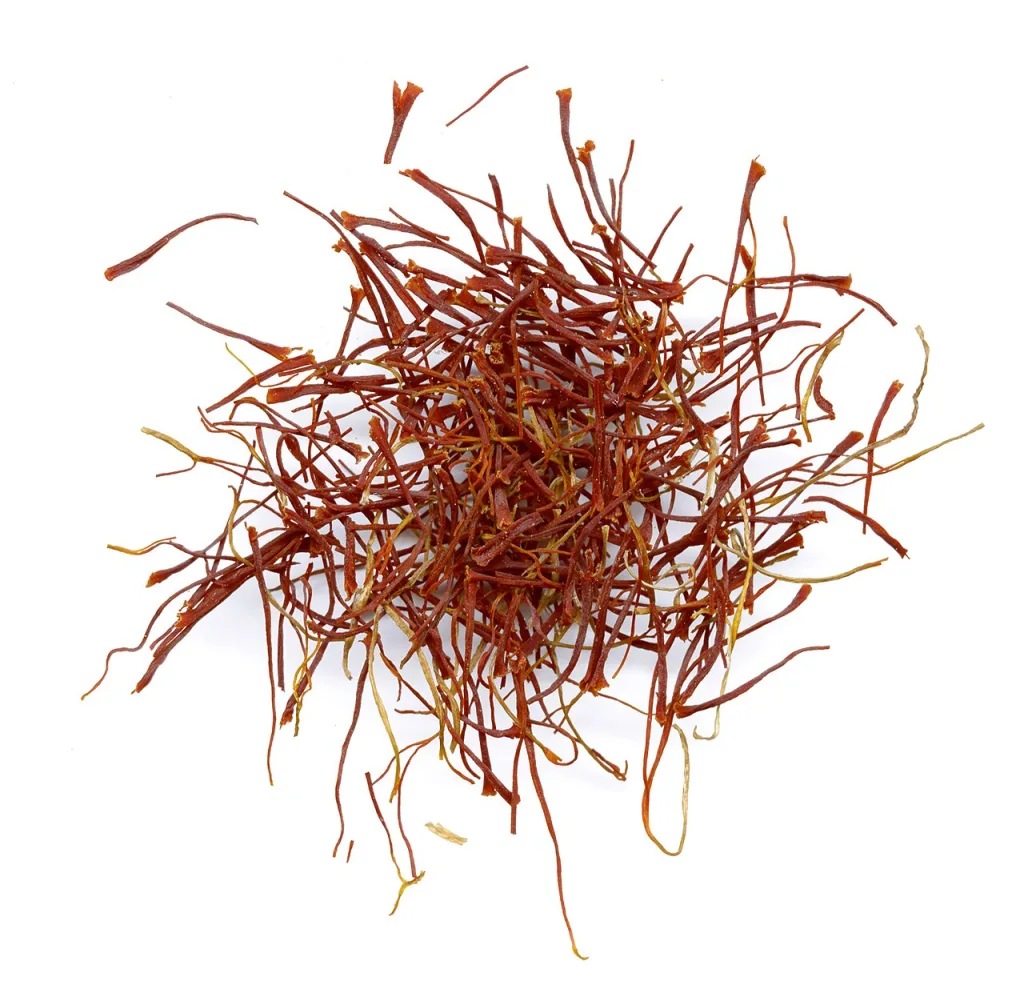
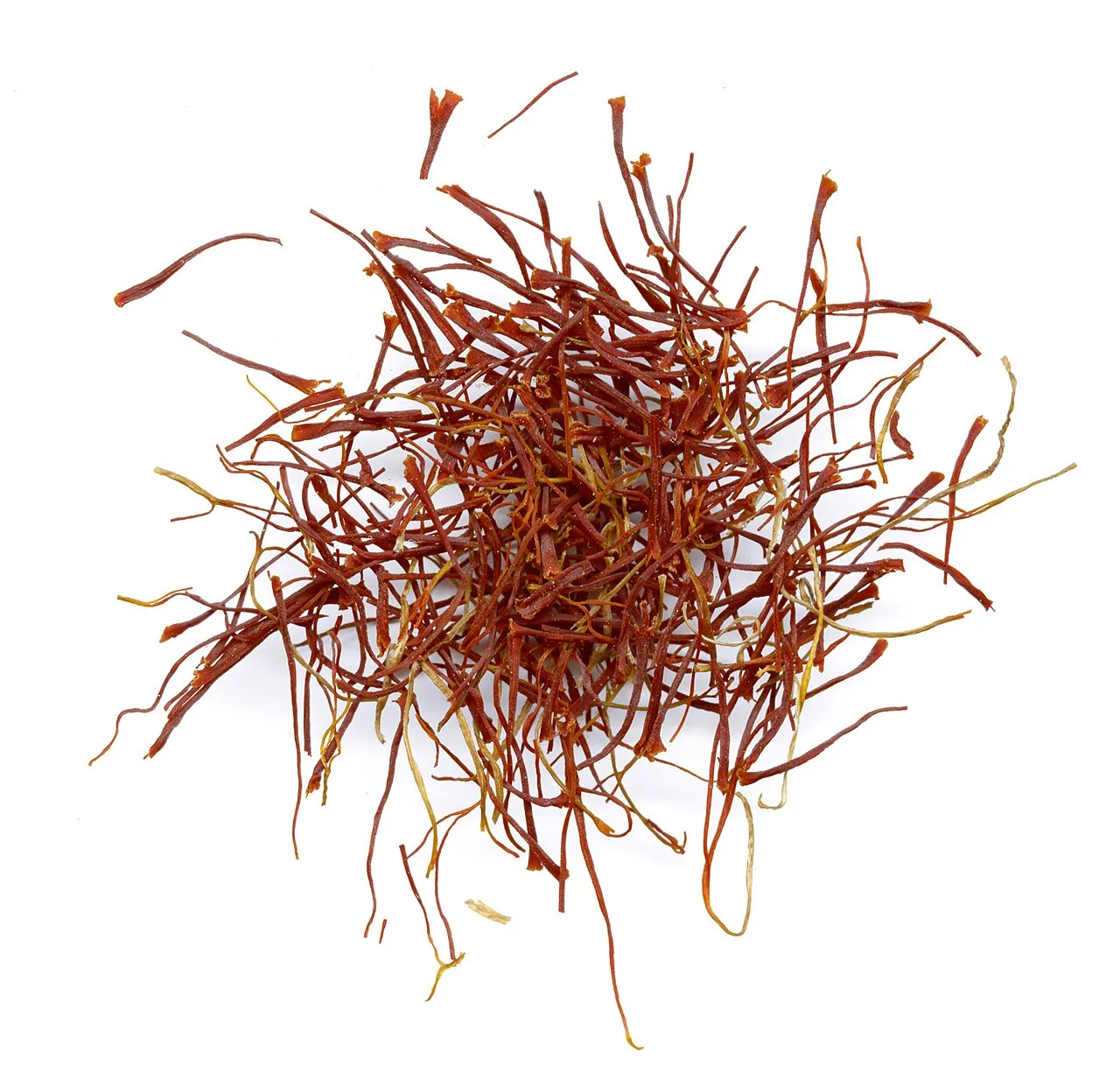
“Saffron benefits for women” is one of the most searched saffron topics — and for good reason. Several of the strongest clinical trials on saffron specifically studied women, from PMS and menstrual comfort to mood during emotional lows. This guide covers what the research shows, what it does not, and how to use saffron safely.
Saffron and PMS: The Best-Evidenced Benefit
A double-blind, placebo-controlled trial of women with PMS found that daily saffron significantly reduced the severity of premenstrual symptoms — mood swings, tension, and discomfort alike (Agha-Hosseini et al., BJOG, 2008; PMID 18271889). A 2026 systematic review and meta-analysis confirmed the finding across trials, and also found saffron reduced dysmenorrhea — painful periods (Mohammadi et al., Korean Journal of Family Medicine, 2026; PMID 41151539).
Mood Support
Saffron’s best-known clinical application is mood. Trials show meaningful improvements in low mood and anxious feelings, with effects comparable to standard options in research settings (meta-analysis of 34 RCTs). Many women first notice saffron’s steady, subtle lift during the premenstrual window. See also our guides on saffron for anxiety and saffron for low mood.
Skin and Radiance
Traditional Persian and South Asian skincare has prized saffron for centuries, and modern research on saffron’s antioxidants supports its topical and dietary benefits for skin — antioxidant protection and a healthy glow rather than any change in skin tone.
Other Women’s-Health Angles
- Antioxidant load: crocins and safranal are among the most potent dietary antioxidants studied.
- Intimacy and wellbeing: small trials have also tested saffron for sexual function and satisfaction in women, with promising early results.
- Emotional eating: see our guide on saffron and appetite.
Dose and Timing for PMS
Most PMS trials used ~30 mg daily, started about a week before the premenstrual window and continued through it. A daily saffron tea or latte covers this easily — full detail in our dosage guide.
Safety for Women
- Pregnancy: high-dose saffron supplementation is traditionally avoided during pregnancy; culinary amounts are considered fine. Check with your OB-GYN.
- Medications: interactions with SSRIs and blood pressure drugs — see the full safety guide.
- Quality: adulteration is common in saffron; learn how to spot real saffron.
The Bottom Line
For PMS and premenstrual mood, saffron has some of the best clinical evidence of any natural option. It is gentle, food-based, and easy to make part of a daily ritual.
Ready to make saffron part of your daily wellness routine? Explore our saffron tea recipes or discover our caffeine-free saffron latte mix — a convenient, delicious way to get your daily saffron.
Does saffron help with PMS?
Yes — randomized trials and a 2026 meta-analysis found daily saffron (about 30 mg) significantly reduced PMS symptom severity, including mood and tension, and also reduced menstrual pain.
What are saffron benefits for females?
The best-evidenced benefits are PMS relief, menstrual comfort, mood support, and antioxidant protection. Early research also supports benefits for skin and sexual wellbeing.
Can I take saffron during pregnancy?
Culinary amounts are considered safe, but high-dose supplements are traditionally avoided in pregnancy. Consult your OB-GYN before supplemental use.
How should women take saffron?
About 30 mg daily — a cup of saffron tea or a latte — often started a week before the premenstrual phase for PMS support.