
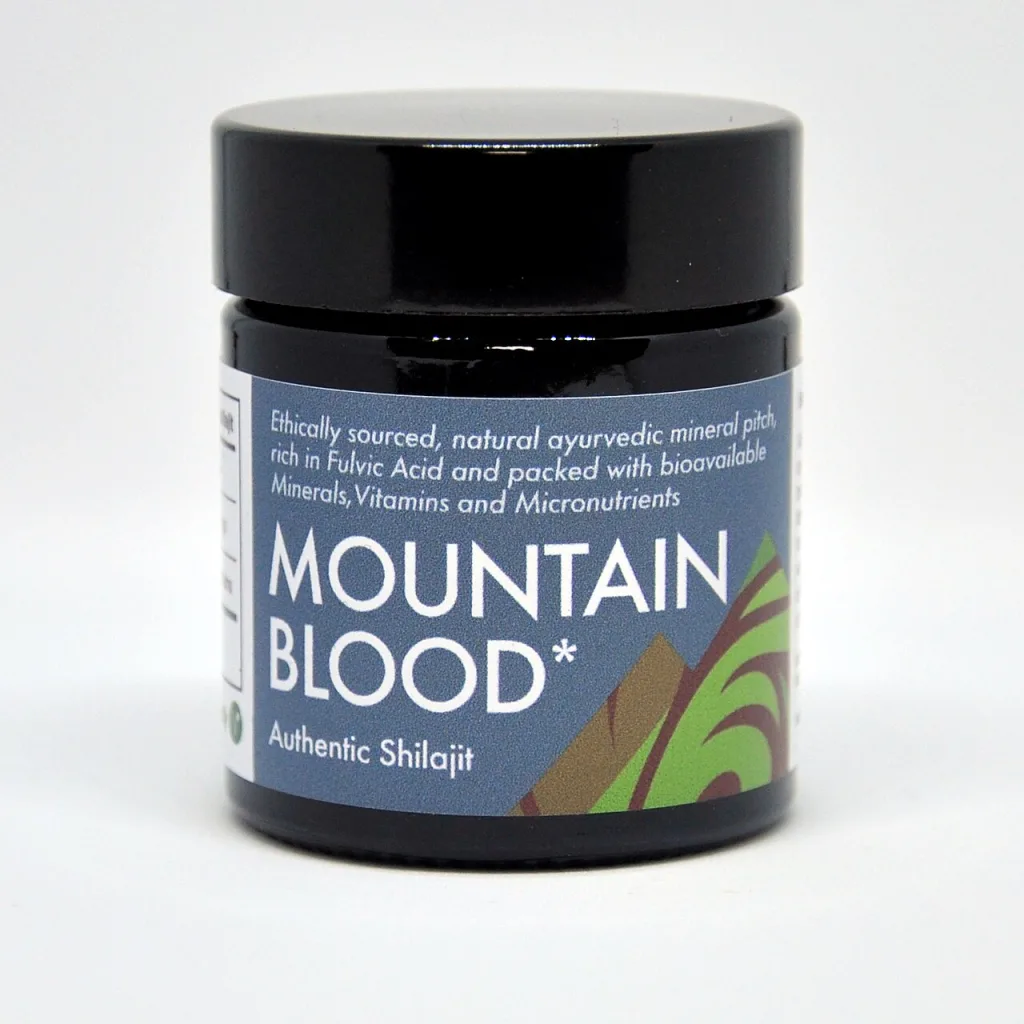

Saffron and shilajit sit at opposite ends of the ancient-remedy shelf: one is a delicate red stigma from a crocus flower, the other a dark mineral resin exuded from Himalayan rock. Both carry centuries of traditional use — and both now have modern clinical research behind them. But they are not interchangeable. This guide compares them honestly, goal by goal, so you know which one (or both) earns a place in your routine.
What Each One Actually Is
Saffron is the hand-harvested stigma of Crocus sativus, prized for crocins, safranal, and picrocrocin. It is a spice first, medicine second — food-grade, culinary doses double as study doses.
Shilajit is a sticky resin formed over centuries from decomposed plant matter in mountain rock, rich in fulvic and humic acids and more than 80 trace minerals. Traditional Ayurvedic rasayana; consumed in pea-sized amounts, never in cooking.
Mood: Saffron Wins Clearly
This is saffron’s strongest suit. A 2026 meta-analysis of 34 randomized controlled trials found significant improvements in mood, anxiety, and depressive symptoms (PMID 41693488). Shilajit has no comparable body of mood research — its trials target other outcomes. If emotional balance is the goal, saffron is the evidence-backed pick (see our saffron for anxiety guide).
Energy and Testosterone: Shilajit’s Territory
A randomized, double-blind trial in men aged 45–55 found purified shilajit at 250 mg twice daily significantly raised testosterone over 90 days (PMID 26395129). Supporting trials show benefits for fatigue-related markers and, in postmenopausal women, bone density over 48 weeks (PMID 35933897). Saffron has no meaningful testosterone data.
Safety Profiles
| Saffron | Shilajit | |
|---|---|---|
| Study dose | 28–30 mg/day | 250–500 mg/day purified |
| Key cautions | SSRI/BP med interactions | Source purity (heavy-metal risk in low-grade resin) |
| Quality control | Visual grading, ISO 3632 | Requires third-party testing |
| Food heritage | Culinary staple | Supplement only |
Saffron’s safety net is simpler: it is food with a 3,000-year culinary record (our full safety guide). Shilajit’s is only as good as its purification — untested resin is a documented contamination risk, so third-party lab verification is non-negotiable.
Dosing and Experience
Saffron: 15–20 threads brewed in tea or a latte — a pleasant daily ritual (dosage guide). Shilajit: a pea-sized portion of resin dissolved in warm water — earthy, bitter, functional. Saffron is a ritual you look forward to; shilajit is a supplement you take.
Can You Take Both Together?
No interaction is documented between them, and their mechanisms differ — saffron for mood and calm, shilajit for energy and vitality. Many people stack them: saffron in the evening for sleep and stress, shilajit in the morning for drive. If you take medications, clear both with your doctor first.
The Bottom Line
Choose saffron for mood, stress, sleep, and culinary joy. Choose shilajit for male vitality, mineral support, and stamina — from a verified, third-party-tested source. They compete for shelf space, not for the same job.
Want saffron on your side? Explore our saffron tea recipes or try our caffeine-free saffron latte mix — a simple daily ritual.
Which is better, saffron or shilajit?
Neither is universally better. Saffron has stronger clinical evidence for mood, anxiety, and sleep; shilajit has trials supporting testosterone and vitality. Match the remedy to your goal.
Can I take saffron and shilajit together?
Yes — no interaction is documented and their mechanisms differ. A common stack is shilajit in the morning, saffron tea at night. Consult your doctor if you take medications.
Is shilajit safe?
Purified, third-party-tested shilajit has a good trial safety record. The risk is unverified resin, which can carry heavy metals — only buy lab-tested sources.
What is the difference in dose?
Saffron: about 30 mg daily (15–20 threads brewed). Shilajit: 250–500 mg daily of purified resin — a pea-sized amount.